
RTA’s new smart traffic system boosted road flow by 16–37% at key intersections across Dubai in Phase 1 rollout.
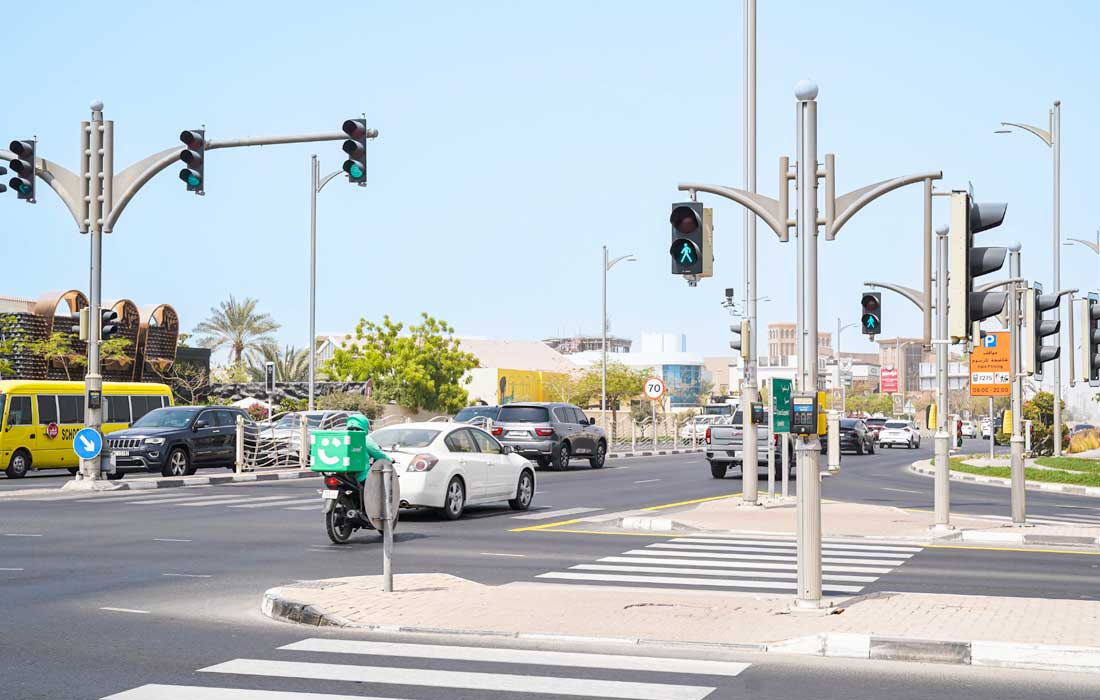
DUBAI: The Roads and Transport Authority (RTA) has successfully completed Phase 1 of its next-generation central traffic signal control upgrade, reporting traffic flow improvements of up to 37% across key intersections in Dubai. The upgrade marks a milestone in smart mobility and digital traffic infrastructure under the city’s vision for intelligent urban transport.
The new system, known as UTC-UX Fusion, leverages artificial intelligence, predictive analytics, and digital twin technology to analyse real-time traffic data and proactively adjust signal timings. As a result, intersection efficiency has improved by 10% to 20% on average, with peak improvements seen on Jumeirah Street (37%), Al Badaa Street (29.4%), Kuwait Street (16.9%), and Omar Bin Al Khattab Street (16.4%).
Mohammed Al Ali, Director of the Intelligent Traffic Systems Department at RTA, stated the system enables smart coordination across signalised junctions, helping to reduce congestion, cut waiting times, and prioritise access for emergency vehicles, public transport, and pedestrians.
Using digital twin simulations, the RTA tested various traffic scenarios before field implementation, ensuring accurate responsiveness to congestion patterns. The multimodal system is also compatible with V2X (vehicle-to-everything) technologies and is future-ready for integration with connected devices, supporting a wide range of mobility users including cyclists.
Phase 1’s success lays the groundwork for city-wide expansion, with around 300 intersections expected to be fully upgraded by Q3 2026. The move aligns with Dubai’s strategic goals to enhance sustainability, efficiency, and safety across its road network.