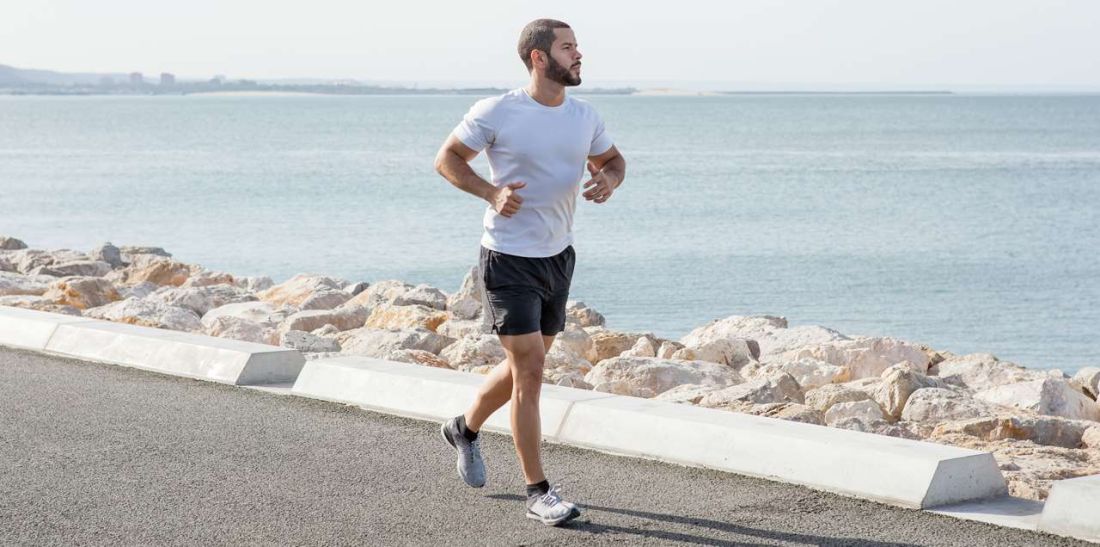

Brisk walking is a powerful and accessible exercise that improves health, boosts mood, and fits easily into daily life.
When most people think of exercise, they imagine gyms packed with weights, high-intensity training, or long runs under the sun. But one of the most effective health boosters doesn’t require a membership, equipment, or complicated technique. It’s something we all learned before our first birthday: walking.
And not just any walk—a fast, purposeful walk. Think of it as “walking with intent.” This simple activity can change the way we age, the way we fight disease, and even the way we feel every single day.
A brisk walk is like a daily health pill—with no side effects.
Why “Fast” walking makes the difference
A leisurely stroll is relaxing, but to unlock real health gains you need to raise your heart rate, breathe a little faster, and feel your stride lengthen. That’s where the magic happens.
- Just 20–30 minutes of brisk walking a day can:
- Improve heart and lung health
- Burn calories and help control weight
- Lower blood sugar and reduce diabetes risk
- Keep joints lubricated and bones strong
- Ease stress, lift mood, and improve sleep
Health markers such as blood pressure, sugar levels, and even mood can improve within weeks of adopting brisk walking into a daily routine.
Benefits across all ages and stages
Children & teenagers: Fast walking helps bone development, boosts concentration, and keeps posture healthy in an age where screen time dominates. Families who build in evening or weekend walks often see children more energized and better able to focus at school.
Seniors: Walking strengthens muscles, improves balance, and lowers fall risk. Even a modest daily routine can ease joint stiffness and delay age-related decline. The social aspect is just as powerful—walking with friends doubles as exercise and companionship. > “Walking is the great equalizer of exercise—everyone can do it, anywhere.”
Pregnant women: Walking is one of the safest activities during pregnancy. It helps manage weight, reduces back pain, improves circulation, and prepares the body for labor. Shorter, frequent walks with supportive shoes and hydration are especially effective.
Athletes & regular exercisers: Even elite athletes benefit. For them, brisk walking acts as active recovery—boosting circulation without stressing joints. It helps clear muscle soreness, prevents burnout, and maintains endurance. Many runners and footballers use incline walks to build stamina between training days.
Why it matters in the UAE
Our lifestyle in the UAE makes walking more than just a choice—it’s a necessity.
- Diabetes and obesity: Nearly one in five adults lives with diabetes. Walking is one of the simplest ways to help control blood sugar.
- Sedentary workdays: Long office hours and traffic leave many stiff and tired. A brisk walk resets the body and refreshes the mind.
- Climate challenge: Summers are hot, but alternatives like mall walking, gyms, and indoor tracks make consistency possible all year round. In a city of cars and skyscrapers, walking is still the best way to move your body forward.
Ho to walk “Fast enough”
So how do you know if your pace is right? Use the “talk test.” If you can hold a conversation but wouldn’t be able to sing comfortably, you’re in the sweet spot.
For most adults, this means around 100 steps a minute or a pace of 5–6 km/h. You’ll feel your heartbeat rise, but it should still feel enjoyable—not exhausting.
- Making it a lifestyle, not a chore: Here’s where walking beats most other forms of exercise: it slips easily into daily life.
- Break it into smaller chunks: Three brisk 10-minute walks are as effective as one 30-minute session.
- Turn everyday tasks into step opportunities: take the stairs, park farther away, or walk during phone calls.
- Explore new routes: Waterfront promenades, community parks, or shaded streets keep things fresh.
- Track your steps: Whether it’s 6,000 or 10,000 a day, the numbers help keep you motivated.
Soon, walking stops being an “exercise” and simply becomes part of who you are.
The hidden mental health perk
We often talk about walking for the heart and waistline, but the brain benefits are just as impressive. A brisk walk lifts mood, sharpens thinking, and lowers stress. Unlike high-intensity workouts, it rarely leaves you drained—it leaves you ready for more.
“A walk is not just good for your body—it’s a reset button for your mind.”
A universal prescription
- Perhaps the most remarkable thing about brisk walking is that it belongs to everyone.
- Children gain stronger bodies and sharper minds.
- Adults manage stress and chronic disease risk.
- Seniors preserve independence and vitality.
- Pregnant women find safe, natural relief.
- Athletes protect themselves from overuse injuries.
It truly is the universal prescription, free, effective, and always available. In a world where healthcare is becoming more complex and technology-driven, it’s easy to forget the simplest tools. A daily fast walk is one of them.
If every household made brisk walking a daily habit, the impact on health and happiness would ripple across generations. So, lace up your shoes, step outside (or into the mall on hot days), and reclaim the joy of movement—one fast walk at a time.

This article is contributed by Dr. Deepak Mullasery Ravindran, Senior Physiotherapist, Medcare Physio & Rehab Centre
Disclaimer: All views and opinions expressed in The Brew Opinion – our opinion section – are those of the authors and do not necessarily reflect the official policy or position of TheBrewNews.com, the company, or any of its members.