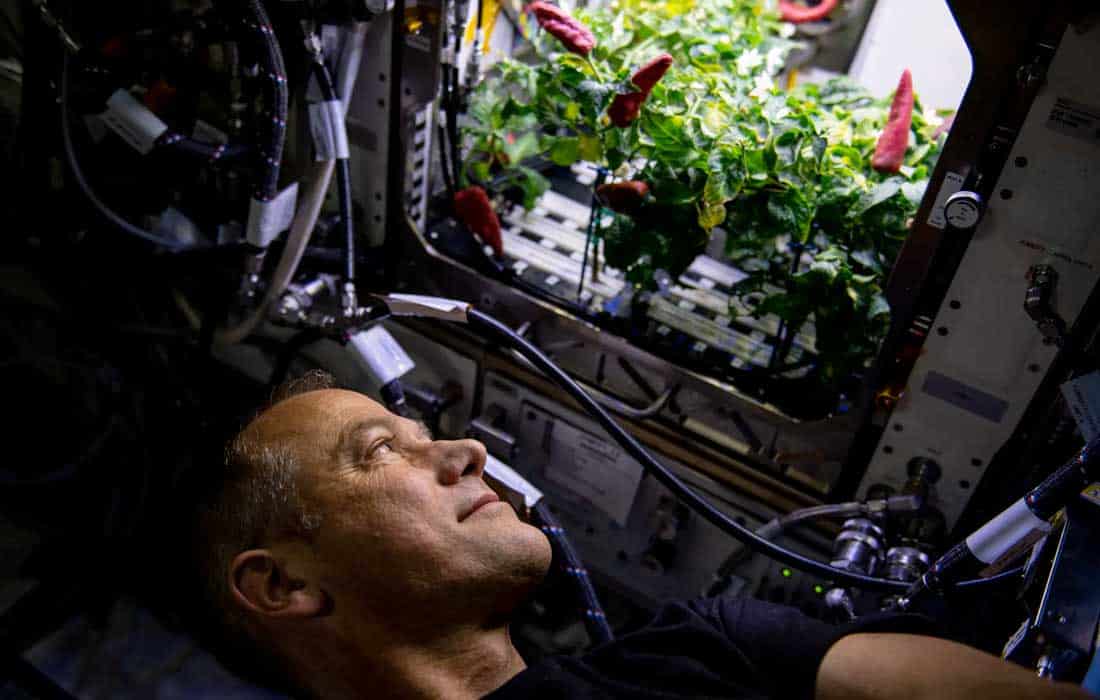

Interstellar Lab, a small business comprised of team members from France, Texas, and Florida, took home the $750,000 grand prize for their food system, NUCLEUS, which uses a multi-pronged approach to growing and harvesting food outputs for astronauts on long-duration human space exploration missions.
OHIO/USA: NASA has awarded $1.25 million to three U.S. teams in the final round of the Deep Space Food Challenge. This challenge seeks to create sustainable food systems for long-term space missions, including future Artemis missions and potential journeys to Mars. The innovative food systems developed through this competition could also benefit life on Earth, particularly in areas prone to natural disasters and food insecurity.
Since the challenge began in 2021, over 300 teams from 32 countries have participated. The competition, organized by NASA Centennial Challenges and the Canadian Space Agency (CSA), encourages the development of new food production technologies. In Phase 3, which started in September 2023, four American teams competed, with each receiving $50,000 to test their systems at Ohio State University.
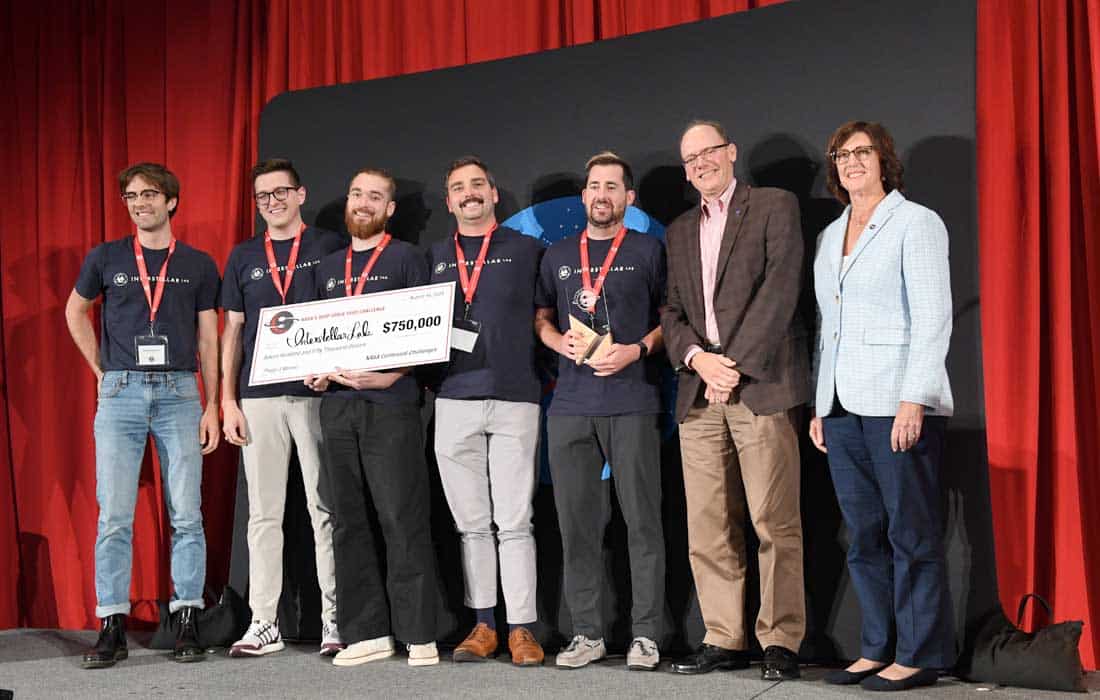
The U.S. winner, Interstellar Lab from Florida, received the $750,000 grand prize for their self-sustaining food production system, which grows vegetables, microgreens, and insects. Two runners-up, Nolux from California and SATED from Colorado, each won $250,000. Nolux developed a system for creating plant and fungal-based foods without biological photosynthesis, while SATED created customizable, long-shelf-life food using in-situ grown ingredients.
Also read: China launches drone delivery service on the Great Wall
An international team, Solar Foods from Finland, was also recognized for their gas fermentation-based food production system. Additionally, SATED won the “Tyler Florence Award for Culinary Innovation,” chosen by celebrity chef Tyler Florence. The Deep Space Food Challenge, managed by NASA and CSA, could revolutionize food accessibility in space and on Earth.