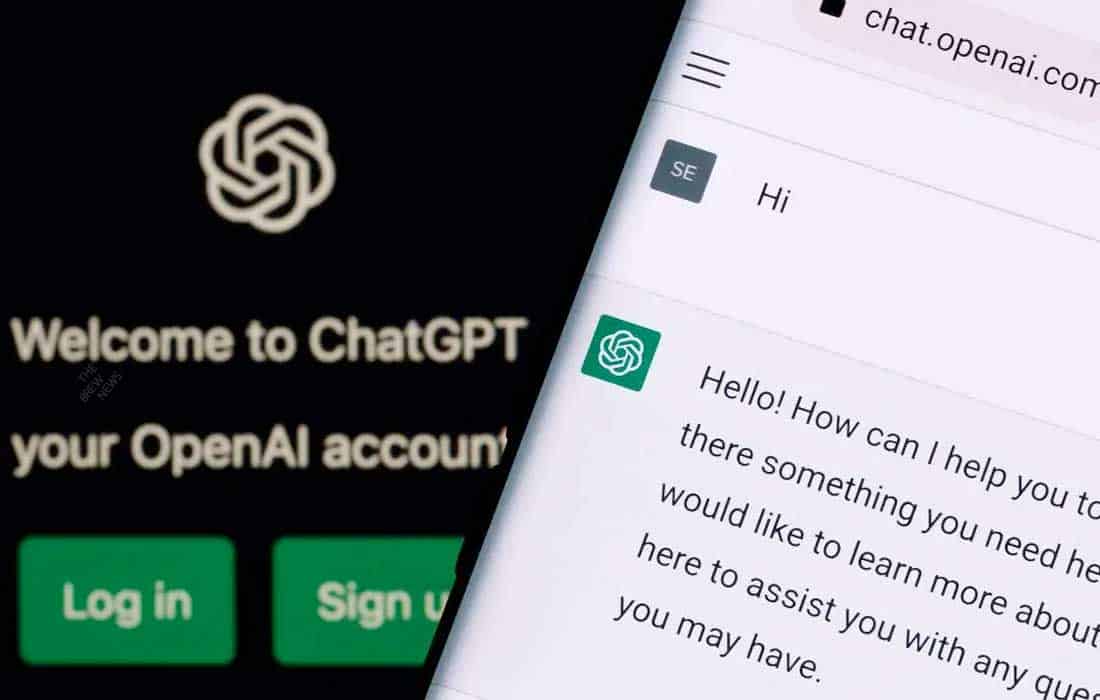

BOSTON: Two friends in their 80s named Nick found out that ChatGPT might be using their work without permission. They decided to take action and sued, OpenAI and Microsoft, the companies behind the AI chatbot, according to an agency report.
Nicholas Gage, 84, and Nicholas Basbanes, 81, are experienced journalists living in the same Massachusetts town. They’ve spent decades reporting, writing, and publishing books.
Gage wrote a bestselling memoir about his family’s tragic story and his search for the truth about his mother’s death. His story was so powerful that John Malkovich played him in the 1985 film “Eleni.” Basbanes, on the other hand, turned his skills as a newspaper reporter into writing popular books about literary culture.
Basbanes was the first to try out AI chatbots. While he found them impressive, he noticed they often had false information and didn’t give credit to the original sources. He talked to Gage about it, and they decided to file a lawsuit earlier this year. They want to represent a group of writers who believe their copyrighted work has been used by OpenAI and Microsoft without permission.
Speaking to the agency, Gage said, “It’s highway robbery”. “We worked too hard on these books,” added Basbanes as they looked at Gage’s book-filled shelves.
Their lawsuit has joined a bigger case with famous writers like John Grisham, Jodi Picoult, and George R. R. Martin, as well as media outlets like The New York Times and Chicago Tribune. They all claim that OpenAI, with Microsoft’s support, used their writings to train AI chatbots without permission or payment.
Also read: Al Noor Island ranks top 10 among Middle East’s attractions for visitors
“If they can get it for nothing, why pay for it?” Gage said. “But it’s unfair and very harmful to writers.”
OpenAI and Microsoft have been fighting these claims, arguing that using internet content to train AI is allowed under U.S. copyright laws. Mustafa Suleyman, head of Microsoft’s AI division, said that since the 1990s, it’s been accepted that online content can be used freely.
The cases are still in the early stages and could go on until 2025. Meanwhile, some creators are trying to get paid for their work, while others are fighting back in court.
-Agencies