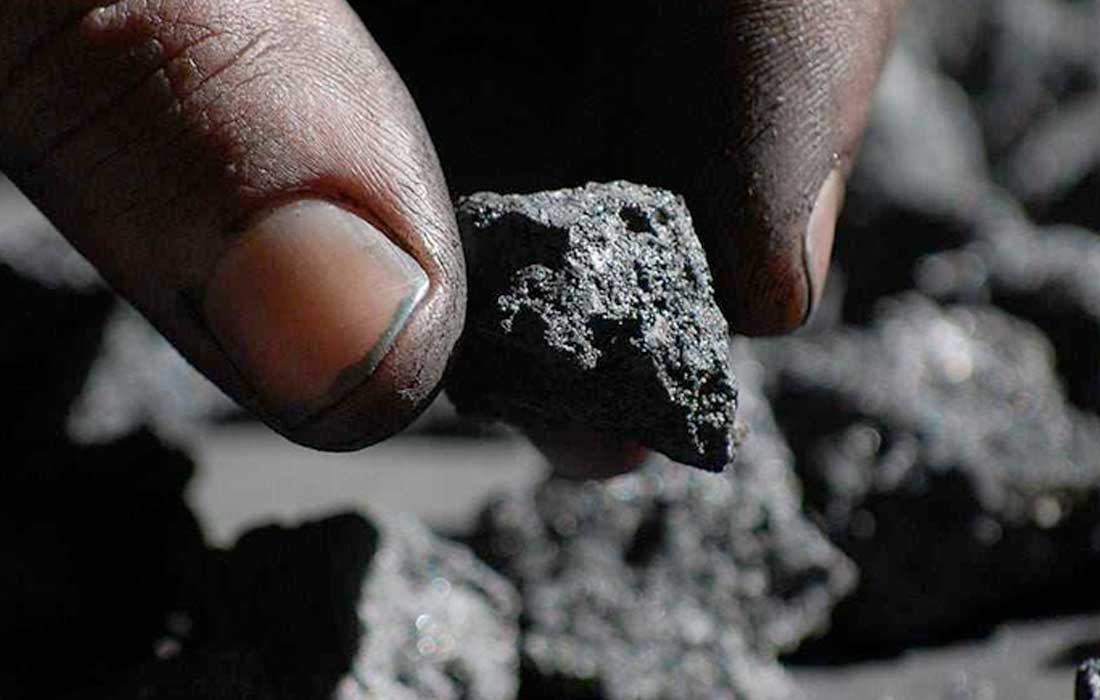

KRASNOYARSK: In a step toward cleaner energy innovation, scientists from the Krasnoyarsk Science Centre of the Russian Academy of Sciences, working with researchers from Mongolia and China, have developed a low-waste coal processing method that turns coal into high-value materials for carbon-based technologies.
The new process converts up to 97.5% of coal into polyaromatic hydrocarbons and resins, key ingredients in high-tech carbon products like carbon fibre, with far less waste and reduced toxic emissions. Notably, it drastically lowers levels of benzo[a]pyrene, a known carcinogen, making it a more sustainable option compared to conventional coal-burning.
At the core of the method is a chemical process in which coal is dissolved in a special liquid and then heated to around 380°C. This breaks down the coal into a dense mix of hydrocarbons. The choice of solvent is crucial—coal tar, for instance, produced the highest-quality material with optimal aromatic structure, ideal for producing heat-resistant and chemically stable carbon composites.
Importantly, the technology leaves behind minimal waste—less than 8%, regardless of the solvent used—significantly reducing environmental impact. According to the Russian Academy of Sciences, this cleaner technique opens the door for coal to be used not as a fuel, but as a raw material for advanced technologies, reducing emissions and expanding its economic potential.
As countries seek alternatives to traditional coal use, this innovation could help reframe coal’s future role—transforming it from a pollutant to a source of sustainable materials for industrial and tech applications.