
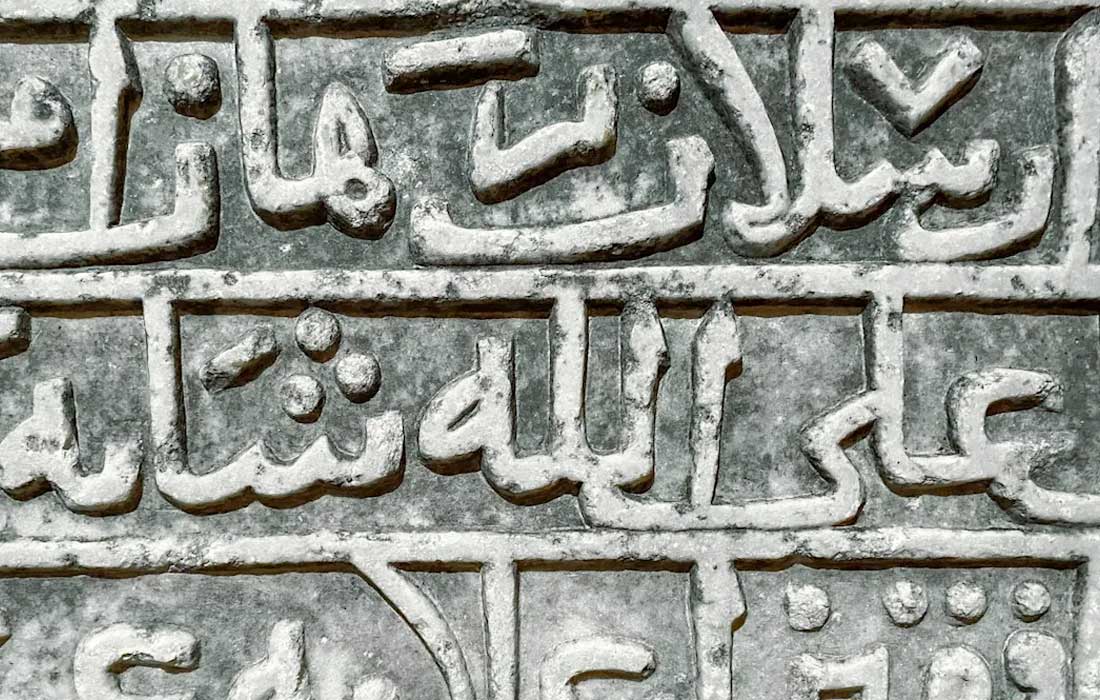

MUNICH: In a remarkable blend of ancient history and modern technology, scientists have reconstructed a Babylonian hymn that had remained lost for over a millennium. The ancient text, composed on clay tablets using cuneiform script, was deciphered with the help of artificial intelligence (AI), giving scholars a deeper look into Babylon’s rich cultural past.
The discovery was made by a team from Ludwig Maximilian University of Munich (LMU) and the University of Baghdad, who worked with the Sippar Library’s archive of tablet fragments. These tablets, dating back thousands of years, were part of a popular hymn praising the grandeur and spirit of Babylon.
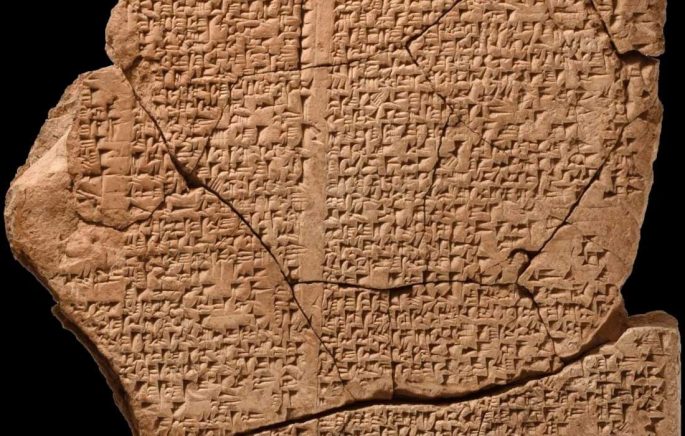
Using an AI-supported platform, researchers identified 30 additional manuscripts that belonged to the same hymn. This breakthrough, which would have taken decades using traditional methods, allowed for a full reconstruction of the lost composition. “Thanks to these additional texts, the scholars were able to completely decipher the hymn of praise on the clay tablet,” said Professor Enrique Jiménez, a leading expert in Assyriology at LMU.
Babylon, once the world’s largest city around 2000 B.C., was famed for its culture, education, and literature. The hymn, believed to have been widely taught in schools, offers vivid descriptions of Babylon’s beauty, the healing powers of the deity Marduk, and the generosity of its people. The researchers noted that its rediscovery provides rare insight into daily life, spiritual beliefs, and literary expression in Mesopotamia.
Professor Jiménez is currently leading a global effort to digitise cuneiform texts and use AI to reconstruct historical documents. This discovery not only sheds light on Babylonian life but also showcases how modern AI tools can help preserve and understand our ancient past.