
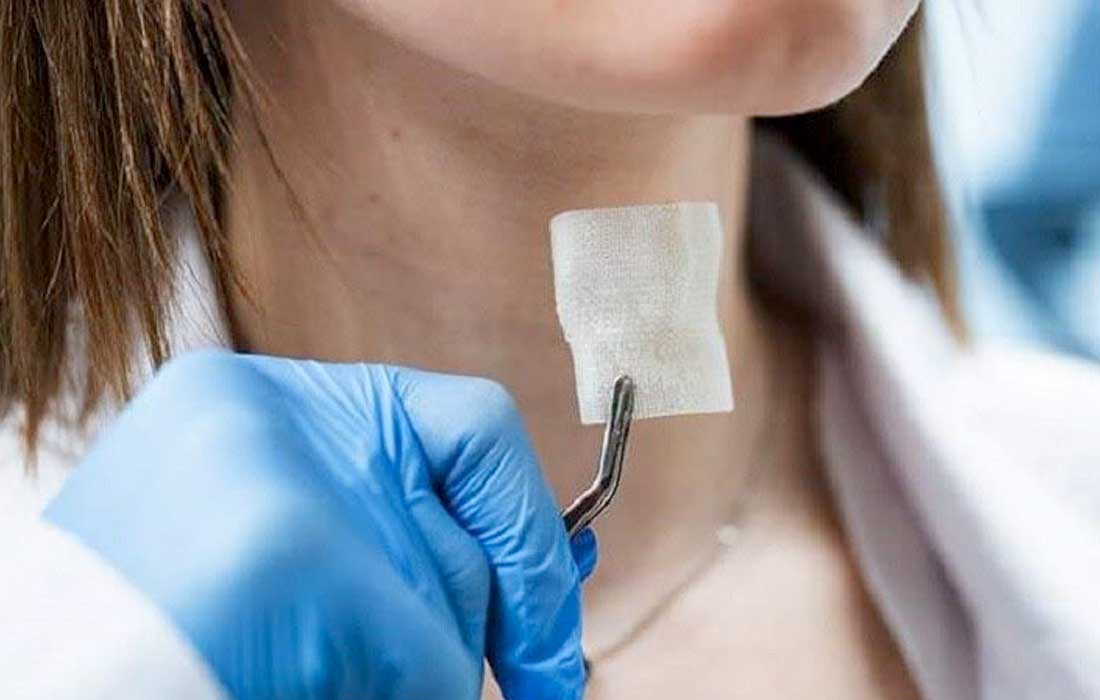

MOSCOW: Scientists at the National University of Science and Technology MISIS (NUST MISIS) in Russia have achieved a medical breakthrough by developing the first 3D-printed laryngeal implant tailored for cancer patients. The innovative implant is designed to replace lost sections of the larynx, particularly in cases where patients undergo advanced-stage throat cancer surgeries.
The implant is crafted using a 3D bioprinter, custom-designed for each patient based on their anatomical structure. The prototype has already been completed, with researchers confident in its potential for broader use. According to the NUST MISIS team, the new technique is cost-effective and suitable for mass production, making it a viable solution in regenerative medicine.
The implant mimics hyaline cartilage, which plays a key role in protecting airway integrity and supporting muscular and ligament functions. Unlike natural cartilage, which struggles to regenerate due to its lack of blood vessels, the 3D-printed alternative offers a resilient and biologically compatible substitute.
Laryngeal cancer, especially in stages three and four, often requires the removal of thyroid cartilage, resulting in critical complications. To solve this, the scientists proposed using thermoplastic polyurethane mesh, shaped through thermoforming, and enhanced with a collagen coating or a blend of chitosan and polyglutamic acid. These materials are widely recognised in regenerative medicine for their cell-binding and healing properties.
This 3D-printed laryngeal implant for cancer patients could dramatically reduce recovery time and improve quality of life post-surgery. The project is currently undergoing further development for clinical application.