
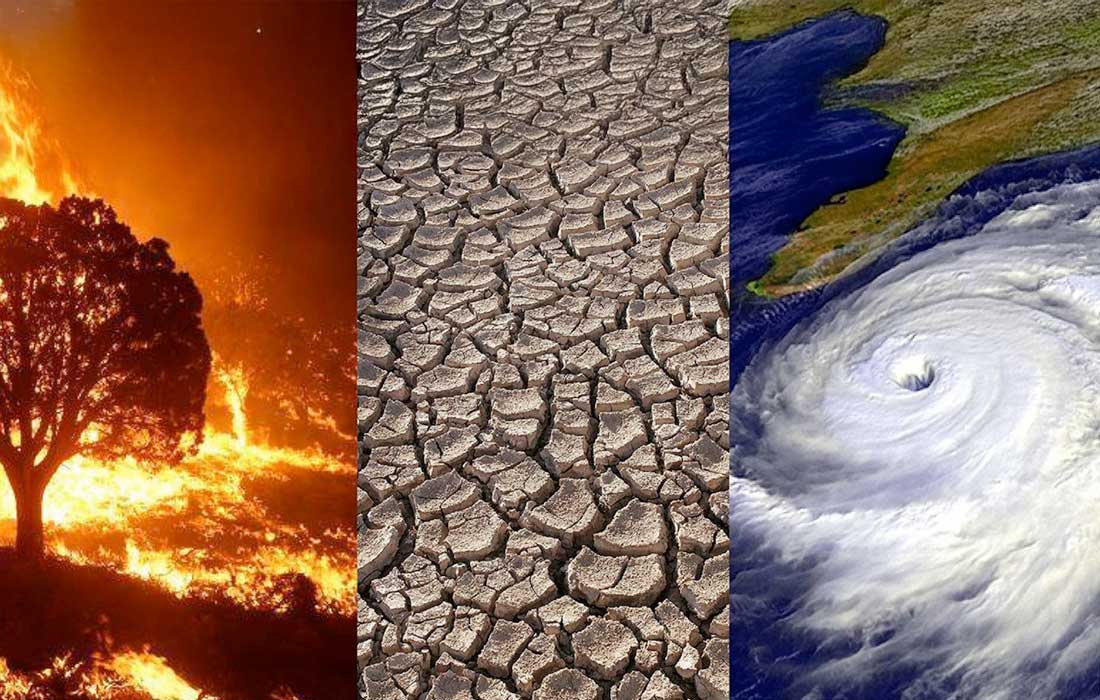

THE HAGUE: In a historic opinion released on 23 July 2025, the International Court of Justice (ICJ) officially recognised climate change as an “existential crisis” that threatens humanity and the planet. The ruling outlines how rising greenhouse gas emissions, driven largely by human activity, violate existing international laws, including those safeguarding basic human rights.
While the court’s decision is not legally binding, it is seen as a landmark moment in global environmental law. It stresses that all countries have a legal obligation to reduce emissions, regulate industrial activity, and actively phase out fossil fuel dependency. Environmental groups welcomed the ruling as a potential turning point for climate justice and future legal cases.
The case was initiated by Vanuatu and supported by over 130 nations. It highlighted how vulnerable countries—particularly small island states—face direct and irreversible damage due to climate inaction. The court reaffirmed that a clean and healthy environment is a fundamental right of all people. Observers say the ICJ’s opinion could place stronger pressure on major polluters ahead of the COP 30 climate summit in Brazil later this year.