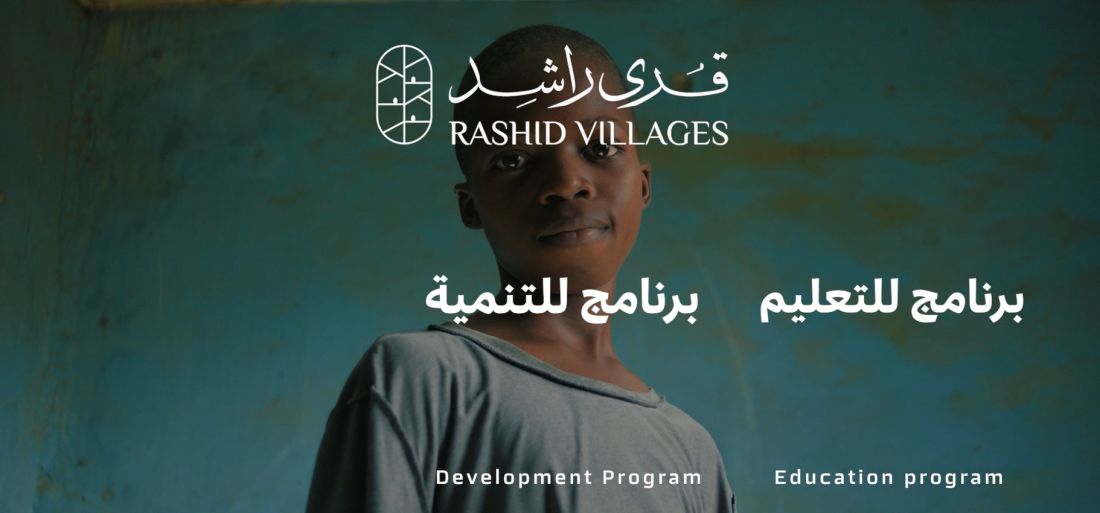

‘Rashid Villages’ aims to build model communities with housing, education, and healthcare, honouring Sheikh Rashid’s humanitarian legacy.
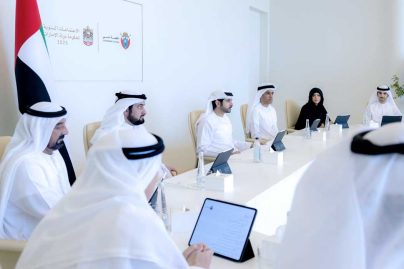
DUBAI: His Highness Sheikh Hamdan bin Mohammed bin Rashid Al Maktoum, Crown Prince of Dubai, has launched ‘Rashid Villages’, a global humanitarian initiative in memory of his late brother Sheikh Rashid bin Mohammed bin Rashid Al Maktoum. Announced on the tenth anniversary of Sheikh Rashid’s passing, the initiative marks a long-term vision to build model villages across the world that offer sustainable housing, healthcare, education, and social services to underprivileged families.
The first Rashid Village will be established in Kenya and is expected to support 1,700 people. It will include fully furnished homes, a mosque, a school for over 320 students, a health centre, endowment shops, a sports academy, and modern infrastructure such as solar-powered lighting and sanitation systems.
HH Sheikh Hamdan emphasised that the project embodies Sheikh Rashid’s lifelong spirit of generosity and compassion. “Today, we launch ‘Rashid Villages’ to honour his memory and carry forward the spirit of giving and generosity that shaped his life,” he said.
The initiative also features the ‘Rashid Education Project’ in partnership with the Digital School under MBRGI, to introduce digital learning solutions. Each village will include vocational training and income-generating programmes to empower families economically and reduce reliance on aid. Preventive health services and community-based care training are also integrated into the model.
The Dubai Government aims to build a new Rashid Village every year, transforming lives globally and ensuring Sheikh Rashid’s legacy lives on through impactful, sustainable development. HH Sheikh Hamdan added, “late Sheikh Rashid generosity continues to touch lives, instilling hope and restoring confidence in the future. He was shaped from an
early age by the noble values inspired by their father His Highness Sheikh Mohammed bin Rashid Al Maktoum, Vice President and Prime Minister of the UAE, and Ruler of Dubai. These values were the essence of his life, giving him a
spirit of leadership and responsibility, and driving his constant devotion to acts of generosity.
His Highness emphasised that Sheikh Rashid was a role model in every field, passing on a legacy of compassion and commitment, and values that continue to live on through initiatives that bring goodness to people. “My brother’s impact will remain alive through Dubai’s humanitarian projects and initiatives that carry hope and goodness to the world,” Sheikh Hamdan said. “Today, we launch ‘Rashid Villages’, an ambitious humanitarian initiative that bears the name
of my late brother, a lasting tribute to his profound humanitarian legacy and a testament to the values that defined his life, ensuring that his impact endures both in Dubai and beyond.”
Sheikh Hamdan continued: “May Allah Almighty have mercy on Rashid. He was a man whose heart was devoted to quiet acts of goodness, always extending kindness to those around him. Today, his generosity continues to touch lives, instilling hope and restoring confidence in the future. Through ‘Rashid Villages’, our goal is to transform lives in a lasting way to bring back hope, provide a foundation for dignity, and reaffirm that in Dubai, generosity is not merely a value but a way of life, one that continues to open doors to growth, stability, and opportunity.”
Integrated Model Villages: The global humanitarian initiative aims to build integrated model villages providing underprivileged families with the essentials of a decent life from housing to education, healthcare, social services and economic opportunities, as part of a comprehensive development framework that redefines humanitarian support and
creates an environment where people can move from need to empowerment, productivity, and stability.
The first phase of the project will commence in the Republic of Kenya, where the first Rashid Village will be constructed over an area of 72 dunums (7.2 hectares), following sustainable principles that prioritise the use of renewable energy sources. This phase will include fully furnished homes that provide stability and dignity for families, in addition to a large mosque and a multi-purpose hall with a capacity of over 500 people to host events and community activities.
The village will also feature endowment-based commercial outlets to stimulate economic activity and provide sustainable income sources, alongside paved streets that link village facilities, facilitate residents’ movement and support economic and social activities.
A model village each year As part of empowering youth, the project features a football pitch and a sports academy to harness young people’s energy and support their talents. The village will also include comprehensive infrastructure such as fire alarm systems, surveillance cameras to ensure security and safety, and a modern lighting network powered by
solar panels.
Empowering Families: Educational and economic opportunities ‘Rashid Villages’ also prioritise education as a foundation for change. In collaboration with the Digital School, part of the Mohammed bin Rashid Al Maktoum Global
Initiatives (MBRGI), the project will introduce the ‘Rashid Education Project’, a specialised programme designed to provide children with quality schooling through an integrated digital system that both enhances learning and bridges educational gaps.
On the health front, and as part of efforts to improve quality of life within the targeted communities, the village will include a health centre offering medical and therapeutic care to residents, supported by full infrastructure including sanitation systems, overhead and underground water tanks and wells to secure continuous supplies of fresh water.
The initiative will also cooperate with reputable international humanitarian organisations to deliver preventive medical services, aiming to improve the health of children and their families and to address gaps in healthcare provision in developing areas.
‘Rashid Villages’ will furthermore seek to build local capacity by training community members in first aid and preventive care, thereby contributing to a safe, healthy and sustainable environment that underpins its humanitarian and development mission.