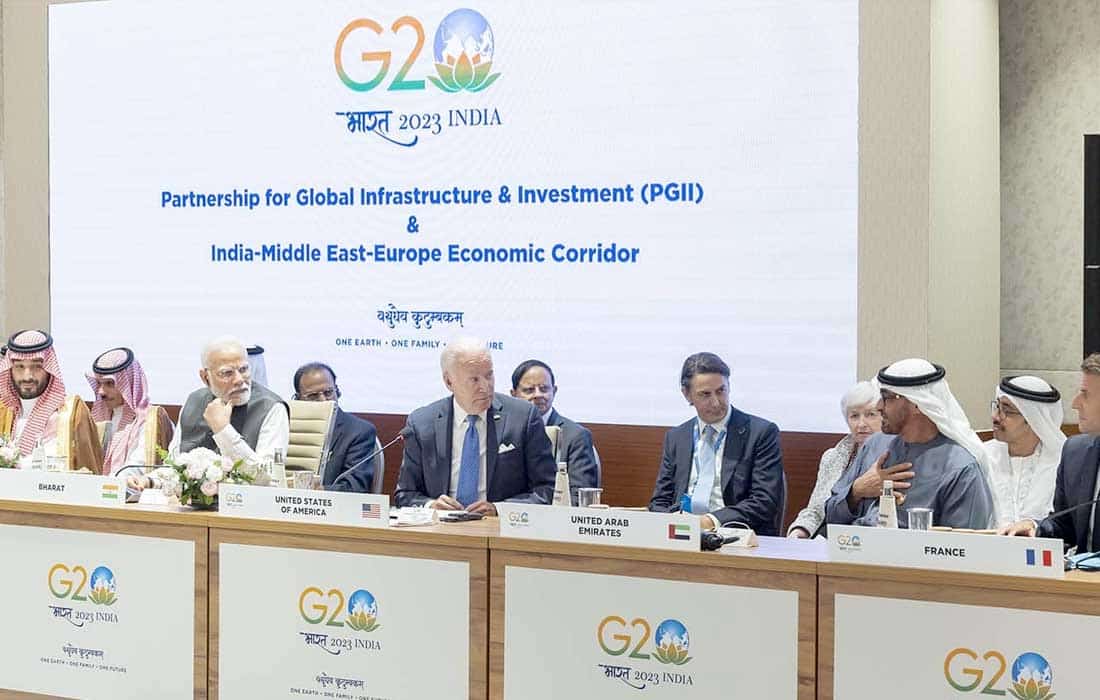

GUWAHATI: The India-Middle East-Europe Corridor (IMEC) is set to become a vital gateway for India’s North East region to the world. The corridor aims to strengthen international connectivity for this remote region, enhancing its access to global markets.
IMEC is designed to work alongside other key projects, like the India-Myanmar-Thailand trilateral highway, which links South East Asia, and a large north-bound tunnel in Arunachal Pradesh. Together, these initiatives promise to transform connectivity for a region that was once seen as geographically isolated.
The enhanced infrastructure will not only improve trade routes but also boost economic opportunities for the North East. This development is expected to create smoother access for local products to reach international markets, fostering regional growth and supporting small-scale producers.
Geographical Indication (GI)-tagged products from the North East are already making their mark globally. Aromatic ginger from Arunachal Pradesh, known for its healing properties, and one of the world’s spiciest chillies, grown in Nagaland, are among the region’s most prized exports. The Ministry of Development of North-East Region has highlighted the growing demand for these unique products on the world stage.
With IMEC serving as a bridge between India, the Middle East, and Europe, the North East is poised to play a more prominent role in international trade. Improved access to global markets will open up fresh avenues for employment, tourism, and export growth, ensuring long-term benefits for the region’s economy.