
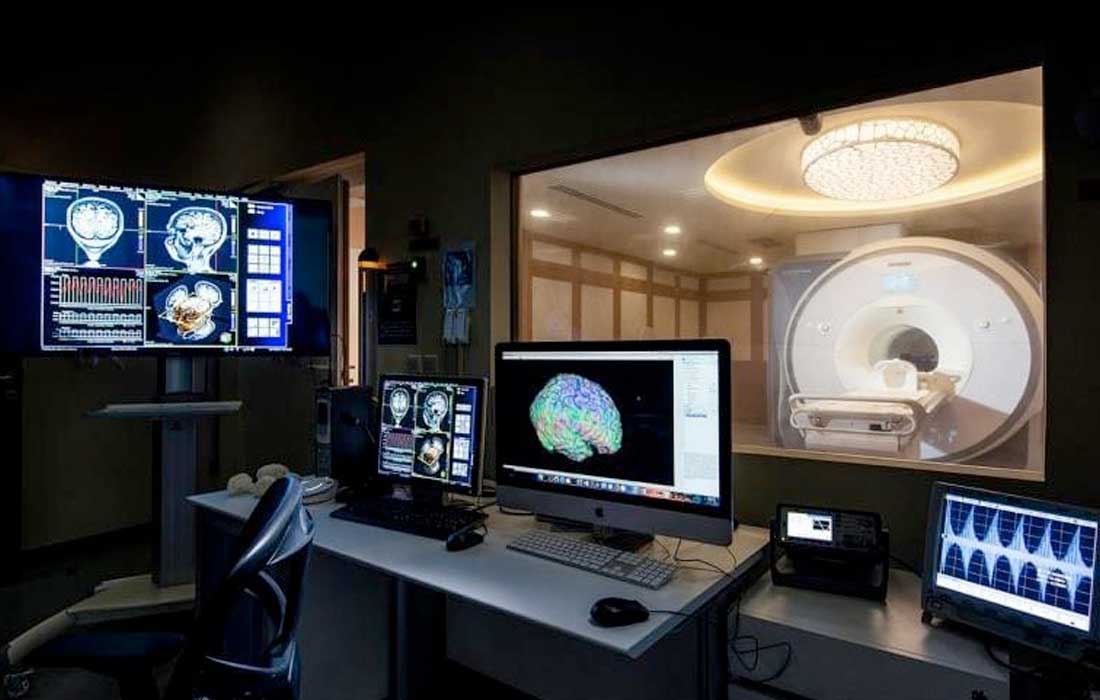

The UAE introduces an AI-powered MRI technique to enhance and fast-track multiple sclerosis diagnosis, marking a leap in local healthcare innovation.
ABU DHABI: In a landmark step for UAE-led medical innovation, a new AI-powered MRI technique is being implemented to accelerate the diagnosis of multiple sclerosis (MS). The initiative is the result of a unique collaboration between New York University Abu Dhabi (NYUAD), Yas Clinic–Khalifa City, and the Abu Dhabi Stem Cells Centre (ADSCC), bringing laboratory breakthroughs to real-world patient care.
This healthcare advancement centres on NYUAD’s Centre for Brain and Health (CBH), which has spent the past two years translating MRI research into practical clinical applications. The AI MRI for multiple sclerosis project was tested during Yas Clinic’s PHOMS clinical trial, where advanced brain imaging tracked MS progression and gauged the efficacy of innovative treatments, such as Extracorporeal Photopheresis (ECP).
A major part of the collaboration is FLAIRstar, an AI tool that can automatically detect the “central vein sign” (CVS) — a key biomarker of MS. By spotting a tiny vein within a brain lesion, this tool helps distinguish true MS from other conditions like migraines or vascular disease, making diagnosis quicker and more accurate.
The effort also includes the LAMINATE project, which refines and applies MRI techniques from NYUAD directly into Yas Clinic’s clinical practice. The AI MRI for multiple sclerosis initiative ensures patient data is kept within the UAE while enabling local doctors to gain clearer insights into brain changes.
Dr. Lev Brylev, Consultant Neurologist at Yas Clinic, noted that tools like FLAIRstar and LAMINATE are “already improving diagnosis, accelerating treatment, and ultimately enhancing patient outcomes.”
Prof. Osama Abdullah, MRI Physicist at NYUAD, called the initiative “a perfect example of the ‘bench-to-bedside’ journey” and praised the local synergy between clinical practice and research.
This homegrown effort reinforces Abu Dhabi’s position at the forefront of neuroscience innovation, using AI MRI for multiple sclerosis as a gateway to improved patient care across the region.