
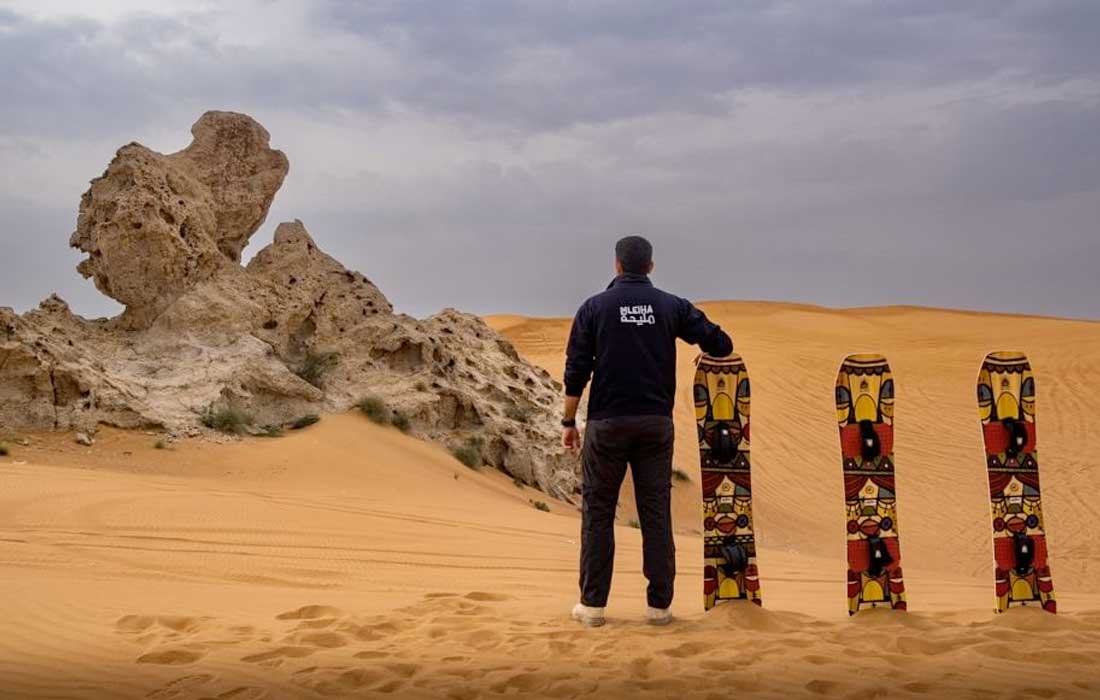

Mleiha National Park in Sharjah, now a UNESCO World Heritage Site, showcases 210,000 years of human history and drives cultural tourism.
SHARJAH: Mleiha National Park, nestled in Sharjah’s desert, is fast emerging as one of the most significant archaeological destinations in the world. Spanning over 210,000 years of human history, it has now been officially recognised as part of the newly inscribed UNESCO World Heritage Site — the Faya Palaeolandscape.
Developed by the Sharjah Investment and Development Authority (Shurooq), Mleiha National Park offers an immersive journey through time, where visitors can explore Neolithic homes, Bronze Age tombs, and one of the UAE’s oldest known forts, dating back to the 3rd century BCE. The park traces early human migration from Africa, revealing how ancient communities once thrived in the region.
One of its most iconic discoveries is the Umm an-Nar Tomb, over 4,000 years old, containing artefacts from Mesopotamia and the Indus Valley — evidence that Mleiha was a vital trade hub connecting ancient civilisations. Visitors can see rare relics like a dugong ivory pendant, and walk through ruins that once guarded key inland routes.
Mleiha’s rise reflects a new approach to heritage preservation that blends tourism, education, and sustainability. With adventure experiences, guided tours, and digital storytelling at the Mleiha Archaeological Centre, the park has become a key driver of eco-tourism and local employment.
According to global tourism bodies, cultural destinations like Mleiha National Park generate strong economic returns and enrich national identity. The park has already created jobs in guiding, conservation, and hospitality, while attracting visitors from across the GCC and beyond.
Just an hour from Dubai and Sharjah, Mleiha is a living classroom where history comes to life — not in books, but under the open desert sky.