
A Sharjah symposium spotlighted Muslim scholars’ contributions to civilisation, linking historic Islamic innovation with today’s development goals.
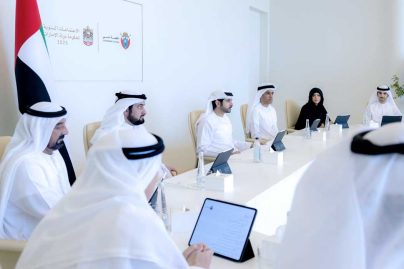
SHARJAH: A two-day symposium hosted by the Islamic Forum in Sharjah explored the lasting impact of Muslim intellectual achievements on global civilisation, while connecting these historical contributions to modern-day challenges and progress.
Titled Intellectual Contributions of Muslims to Civilisation and Their Contemporary Applications, the forum brought together renowned scholars to examine how Islamic thought and scientific legacy have influenced human development across centuries.
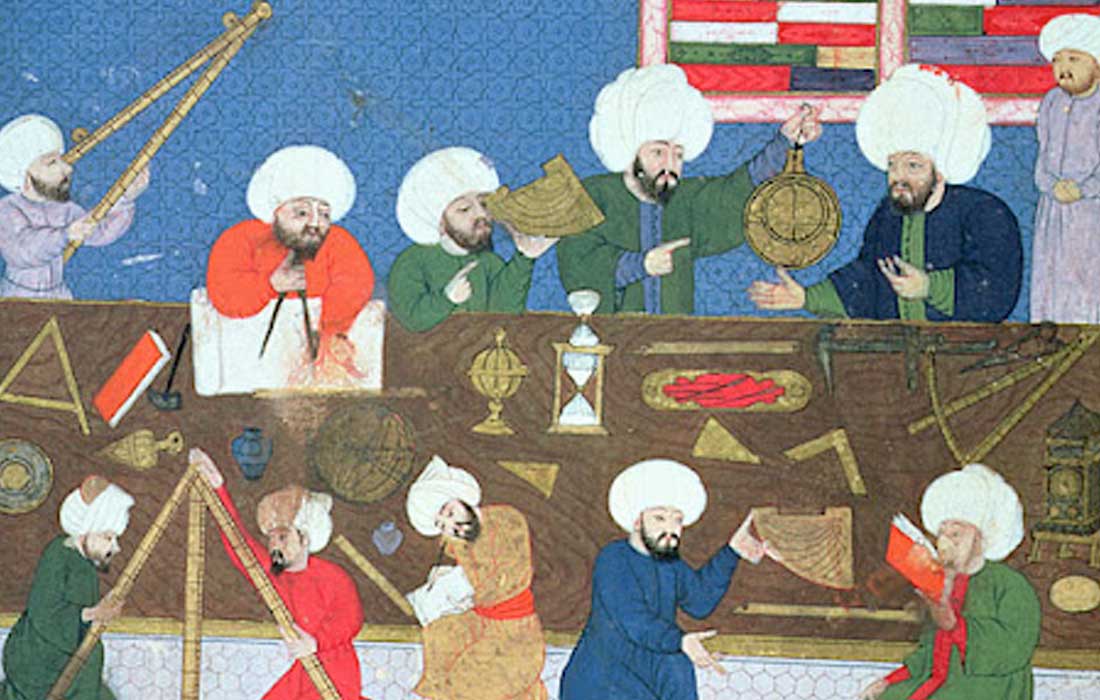
Dr Najeeb bin Khaira, Professor of Islamic Sciences, led a session on the creative environment that enabled scientific flourishing in Islamic eras. He attributed this success to political stability, scholarly support, and a unified intellectual culture that spanned from Al-Andalus to India, giving Islamic civilisation a global influence. He urged modern societies to invest in education and research, drawing on this legacy to reignite a scientific renaissance grounded in ethics and dialogue.
Dr Ahmed Al Ketbi, Head of Media at the Forum, stressed the importance of reviving awareness of Islamic intellectual heritage as a vital part of human history. He noted that showcasing Muslim contributions provides a balanced view of civilisation and helps inspire sustainable development today.
Speakers also outlined the rigorous scientific methods employed by early Muslim scholars—emphasising research, experimentation, and objectivity—as a foundation for modern scientific thought. The event reinforced Sharjah’s role as a regional hub for culture and knowledge, with a strong commitment to preserving civilisational heritage and promoting Islamic values in contemporary contexts.
The symposium concluded that the civilisational legacy of Muslims not only shaped the past but continues to offer practical and ethical solutions for building a better future.