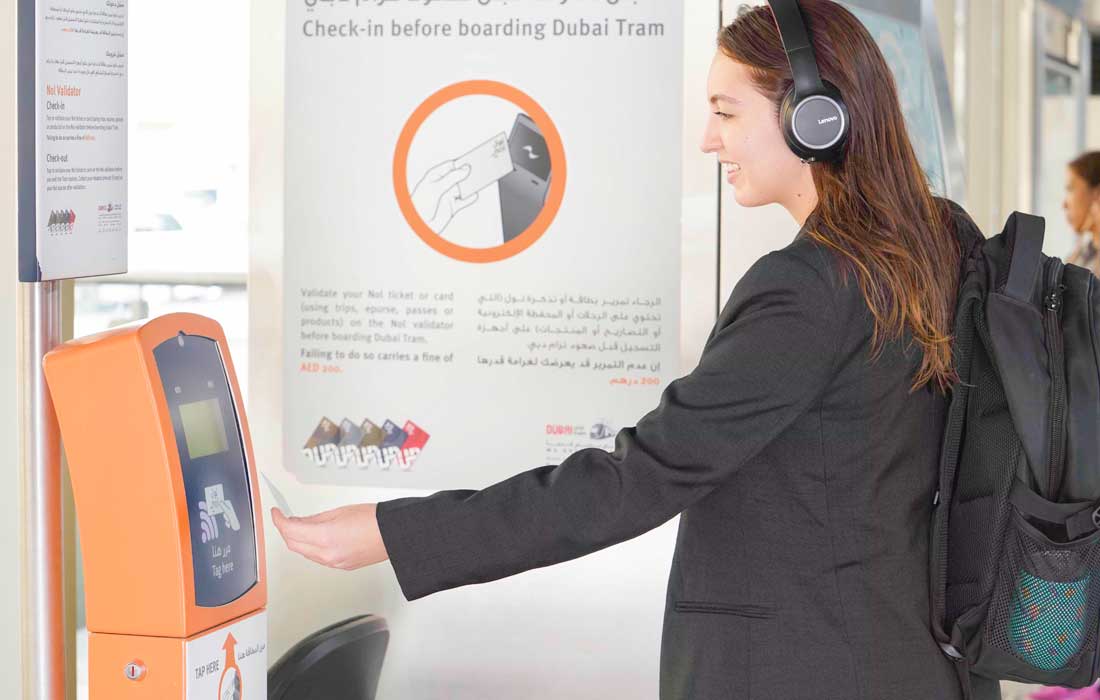

DUBAI: The Roads and Transport Authority (RTA) has reported a significant shift in passenger behaviour, with more Dubai Metro and Tram users switching to digital channels for nol card top-ups in the first half of 2025, compared to the same period in 2024. The rise comes as part of RTA’s ongoing digital transformation aimed at enhancing commuter satisfaction and streamlining operations.
The increase is attributed to several initiatives rolled out by the RTA, including the introduction of smart ticket vending machines, updates to top-up systems, and awareness campaigns promoting the use of online and mobile channels such as the RTA website and payment apps. Additionally, minimum top-up values for nol cards were increased across vending machines and sales offices, further encouraging the shift toward digital platforms.
Statistics show a 28 percent drop in total top-up transactions via traditional ticket vending machines, while digital transactions on the same machines rose by 20 percent. Ticket sales offices also witnessed a sharp 37 percent decrease in cash transactions and a 6 percent dip in digital transactions, leading to a 26 percent overall reduction in office-based top-ups.
This growing reliance on digital services has helped reduce customer wait times, ease congestion at stations, and lower operational costs linked to cash collection and machine maintenance. Notably, vending machine breakdowns dropped by 80 percent due to fewer cash-based transactions.
The RTA affirmed that these results reflect Dubai’s smart mobility goals and underscore its commitment to offering a seamless, tech-driven commuter experience. The agency continues to upgrade its digital platforms to ensure fast, secure, and user-friendly services that cater to all segments of the public.
By leveraging digital innovation, the RTA is aligning with the city’s wider vision to be a global leader in smart public transport and sustainable urban living.