
Stay safe this summer with essential summer fire safety tips from NFPA® for homes, vehicles, and electric mobility users.
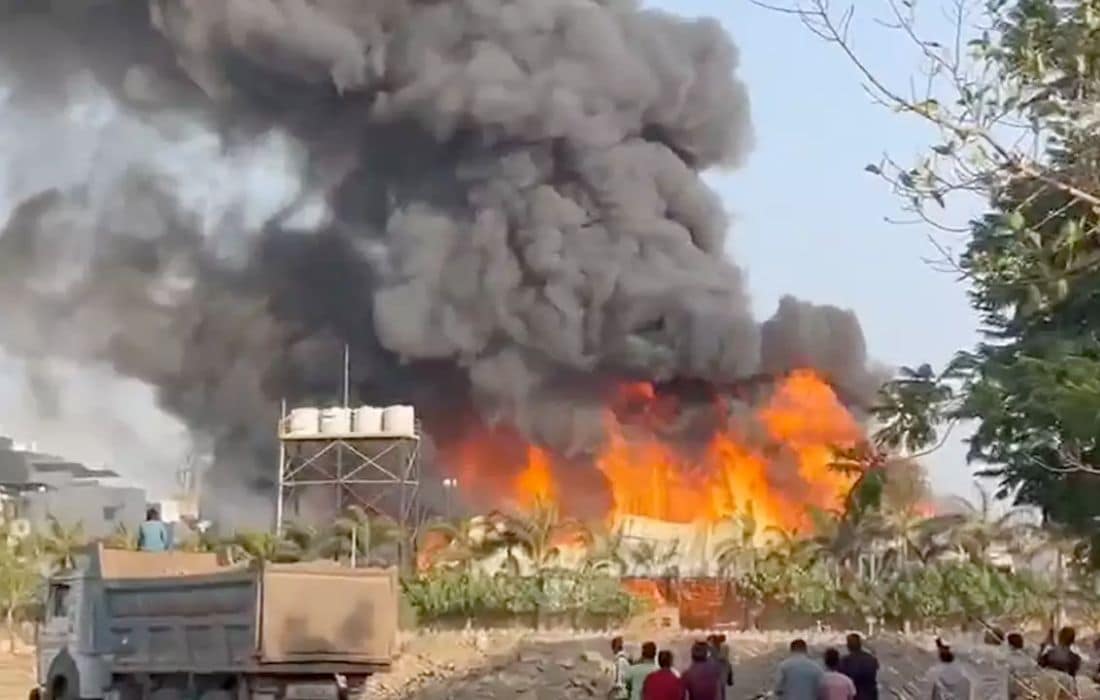
UAE: With regional temperatures soaring beyond 45°C, summer fire safety is more important than ever. Everyday items—from electrical devices to flammable liquids—can quickly turn hazardous in extreme heat, especially when precautions are overlooked.
To help prevent avoidable fire incidents, the National Fire Protection Association® (NFPA®) has issued a practical guide to promote public awareness and safe habits.
At Home and Work:
Cooling systems must be serviced before peak use, and electrical outlets should not be overloaded. Smoke alarms should be tested monthly, and fire extinguishers kept accessible. Always store flammable liquids like oils, paints, and cleaning agents away from heat and sunlight. Emergency exits must remain unobstructed.
- Service cooling systems before peak summer use
Ensure that all air conditioners and fans are clean, in good working condition, and free of dust build-up before running them continuously. Proper maintenance helps prevent overheating, which can pose a serious fire hazard.
- Avoid overloading electrical outlets
Overloading a single socket with multiple appliances can cause overheating and increase the risk of electrical fires.
- Store flammable items safely
Store flammable liquids and materials in shaded, well-ventilated areas, away from direct sunlight and heat sources. Common household flammable liquids include cooking oils, paints, cleaning agents, and any products containing oil or alcohol. Flammable materials can include paper, cardboard, fabric, plastic, and wood-based items.
- Install and test smoke alarms regularly
Smoke detectors and fire alarms should be installed in all areas of the home or workplace and tested regularly, at least once a month, to ensure they are functioning properly.
- Keep fire extinguishers within easy reach
Ensure all household members or staff are trained to use them in case of emergency.
- Maintain clear exit routes
Stairwells, hallways, and emergency exits must always be kept clear.
On the Road:
Cars are particularly vulnerable to heat-related fires. Avoid storing alcohol wipes, hand sanitisers, or plastic bottles inside parked vehicles. Never leave mobile phones or battery-powered devices on dashboards, and have car wiring and cooling systems checked regularly. Opening the fuel tank cap daily when parked helps release built-up heat.
- Do not keep highly flammable materials inside your vehicle
From plastic water bottles to hand sanitizers, alcohol wipes, and perfumes, these products are prone to explode when exposed to extreme heat. Be sure to check your car after each use to ensure none are left inside.
- Avoid electrical equipment on your dashboard
Mobile phones, power bank and other battery-powered devices should not be kept under direct sunlight. These too can explode and cause fire outbreaks.
- Ensure routine car maintenance
Have your car batteries, wiring, and cooling systems checked regularly and open your petrol tank once a day when parked to let out the heat.
Electric Mobility:
EVs and e-bikes use lithium-ion batteries, which can ignite and release toxic fumes. Always use manufacturer-approved chargers in dry, well-ventilated areas and never rely on extension cords. Inspect chargers for damage and keep stations away from children, pets, and flammable items.
Before installing EV charging equipment at home, consult a certified electrician to ensure the system can support it safely.
- Charge safely and in the right environment
Only use manufacturer-approved chargers in dry, well-ventilated, low-traffic areas to reduce the risk of overheating and fire.
- Avoid using extension cords or multi-plug adapters
These can cause electrical overload and increase the risk of fire during battery charging.
- Check chargers and cables for damage
Regularly inspect charging equipment for frayed wires, heat damage, or other signs of wear.
- Keep charging equipment secure and away from hazards
Charging stations should be kept out of reach of children and pets, and away from water or flammable materials.
- Consult a licensed electrician before installing EV or e-bikes chargers at home
Ensure your home’s electrical system can safely support electric bikes charging to prevent short circuits or overheating.
By following these simple guidelines by the National Fire Protection Association® (NFPA®), you can enjoy a safer summer with greater peace of mind, knowing you have reduced the risk of preventable fires. And remember, whenever expert advice is necessary, always consult a certified professional to ensure full compliance with the relevant safety standards.
Stay alert and informed! Watch, listen to, and share public safety videos and tips released by authorities, and make sure your family knows how to respond and who to contact in case of an emergency.