
Scientists at NYU Abu Dhabi have built a new AI model that predicts harmful solar winds four days early with 45% better accuracy. The model could protect satellites and navigation systems from major space weather disruptions.
ABU DHABI: A team of researchers at NYU Abu Dhabi (NYUAD) has developed a cutting-edge artificial intelligence model that can accurately forecast solar wind speeds up to four days in advance. The innovation marks a significant leap in the ability to protect satellites, space-based infrastructure, and essential Earth-based technologies.
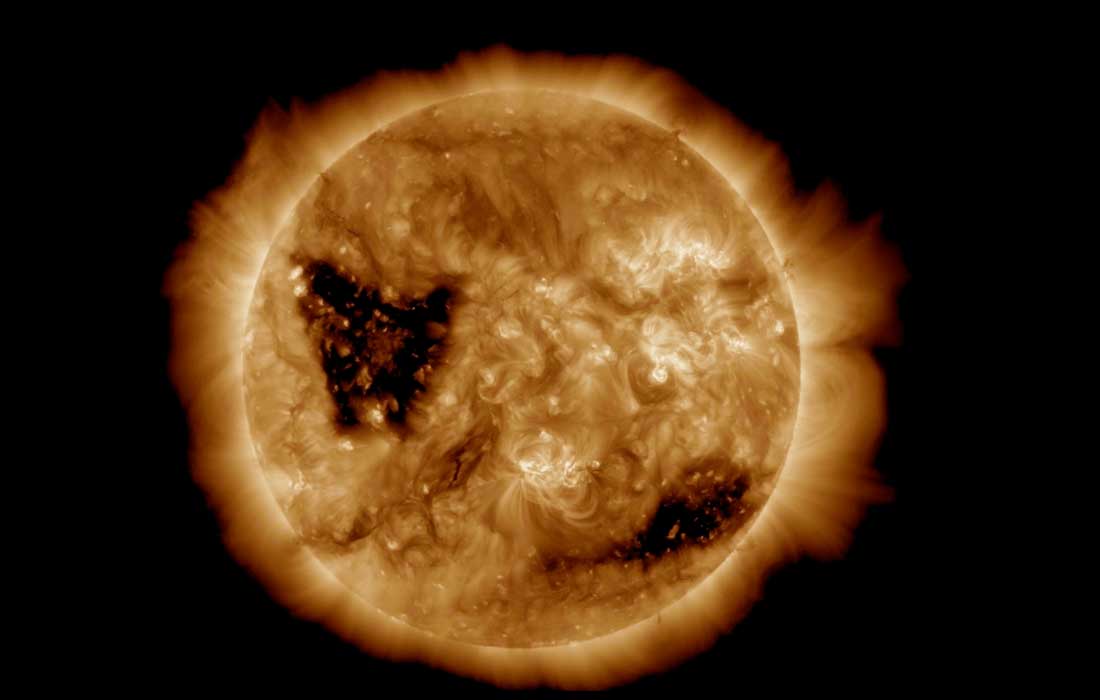
The AI system, created by NYUAD’s Center for Space Science (CASS), is 45 percent more accurate than current forecasting models. Led by Postdoctoral Associate Dattaraj Dhuri and Co-Principal Investigator Shravan Hanasoge, the project relied on high-resolution ultraviolet images from NASA’s Solar Dynamics Observatory, combined with historical solar wind data, to train the algorithm.
Unlike many mainstream AI tools that analyse text, this model works by examining images of the Sun to detect patterns that signal changes in solar wind. This enhanced image-based analysis allows for earlier and more reliable predictions.
“This is a major step forward in protecting the satellites, navigation systems, and power infrastructure that modern life depends on,” Dhuri said. “By combining advanced AI with solar observations, we can give early warnings that help safeguard critical technology on Earth and in space.”
NYU Abu Dhabi continues to be a regional leader in advanced scientific research. With over 90 faculty labs and more than 9,200 recognised research publications, it is playing a key role in positioning the UAE at the forefront of global scientific innovation.