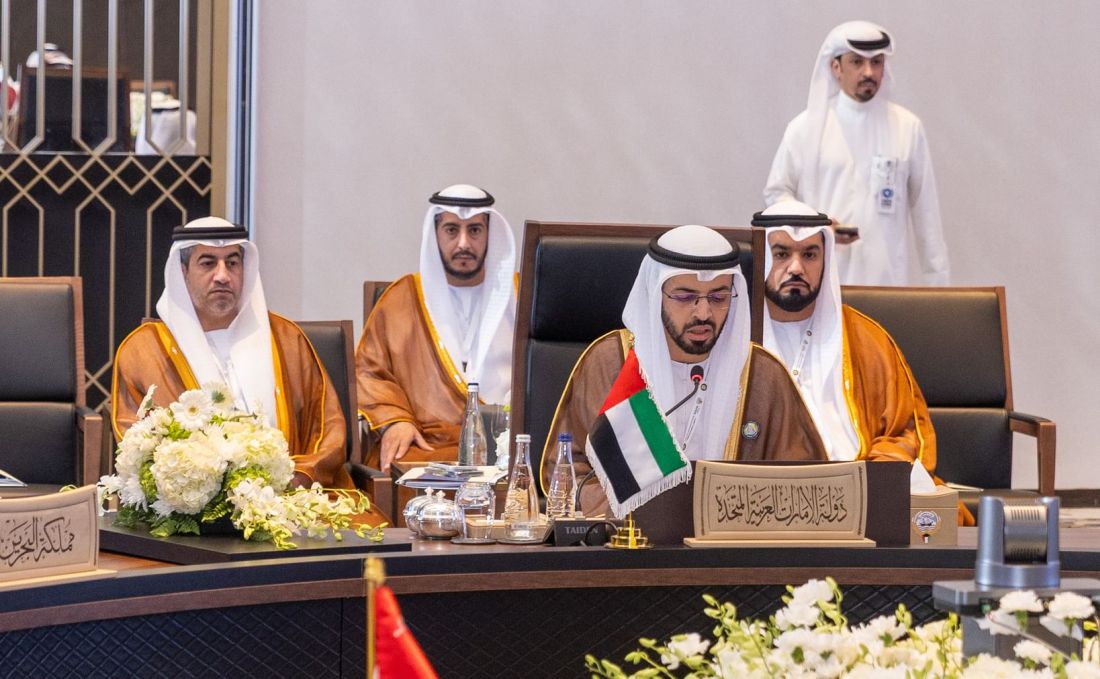

UAE’s Dr. Omar Habtour Al Darei calls for balanced AI integration in religious and social governance at GCC ministerial meeting.
KUWAIT: The United Arab Emirates has underscored the importance of adopting a balanced and ethical approach to artificial intelligence (AI) within the sphere of religious and social governance. Speaking at the 11th Ministerial Meeting of Officials Responsible for Islamic Affairs and Endowments in the Gulf Cooperation Council (GCC), Dr. Omar Habtour Al Darei, Chairman of the General Authority for Islamic Affairs, Endowments, and Zakat, emphasised that AI must be harnessed responsibly to serve humanity, nations, and religion.
Dr. Al Darei highlighted the UAE’s pioneering experience as a regional model in aligning faith with technological innovation. He pointed to initiatives such as the integration of AI in mosque management and sermons, and the “Unified Sermon” project launched three decades ago by the late Sheikh Zayed bin Sultan Al Nahyan, which continues to inspire the country’s approach to cohesive and modern religious guidance.
He explained that the UAE’s governance of religious affairs is supported by a comprehensive legislative framework that promotes coexistence, tolerance, and intellectual security, ensuring that technology complements rather than replaces human values.
The GCC ministerial meeting also addressed a range of societal topics including family cohesion, generational values, moral education, environmental protection, and energy conservation. A key focus was developing a balanced vision of artificial intelligence to enhance the positive role of technology in faith, community, and sustainable development.
Dr. Al Darei reaffirmed the UAE’s commitment to sharing its best practices with GCC partners to foster unity and innovation across the region’s religious institutions.