
As World Space Week begins, the UAE highlights landmark achievements in 2025 — from lunar and asteroid missions to astronaut development — solidifying its status as a global hub for space technology and scientific excellence.
ABU DHABI: As the world celebrates World Space Week 2025 from October 4–10, the UAE is marking the occasion with a year of extraordinary milestones that have strengthened its position as a global hub for space innovation and advanced technology.
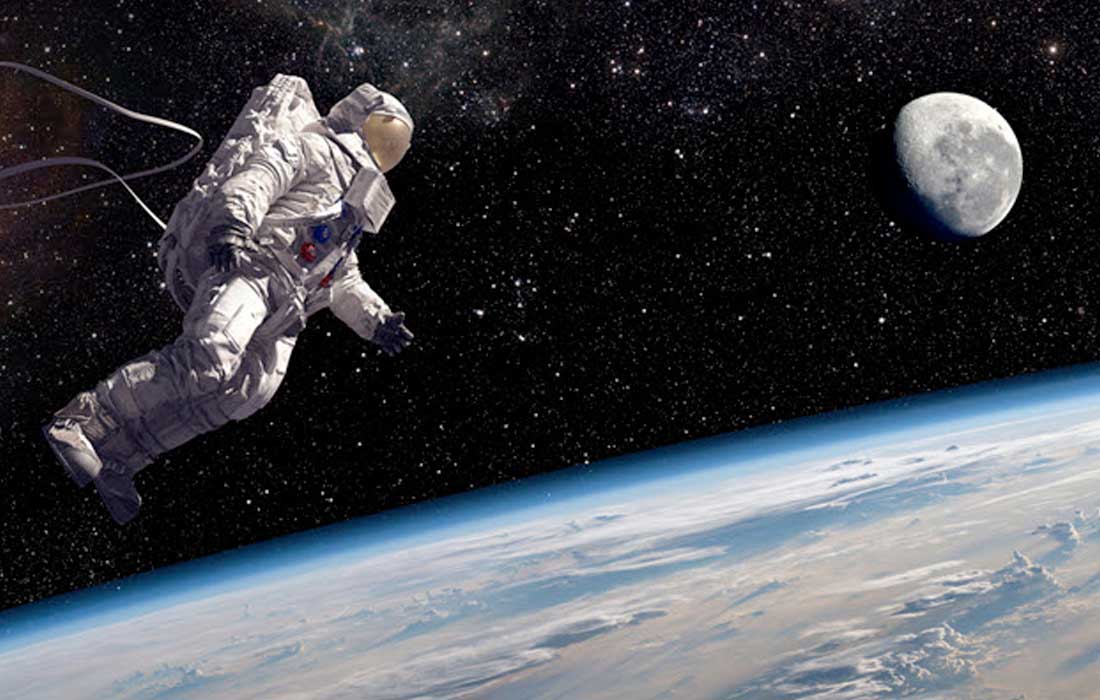
Declared by the United Nations as the world’s largest annual celebration of space science and technology, this year’s theme, “Living in Space,” focuses on humanity’s journey toward building sustainable habitats beyond Earth — a vision the UAE is actively shaping through its missions and partnerships.
In 2025, the UAE launched six satellites, including Thuraya 4, Mohammed bin Zayed Sat, Al Ain Sat-1, HCT-SAT 1, and UnionSat, the nation’s first radar satellite. These advancements reflect the country’s expanding expertise in communications, imaging, and scientific research.
The Mohammed Bin Rashid Space Centre (MBRSC) signed a landmark agreement with Thales Alenia Space to develop and operate the Pressure Equalisation Unit for NASA’s Lunar Gateway for up to 15 years, securing the UAE a key role in the next phase of lunar exploration.
In another milestone, MBRSC partnered with Firefly Aerospace (USA) to deliver the Rashid 2 Rover to the far side of the Moon in 2026, joining NASA and the European Space Agency in a historic collaborative mission. The UAE also strengthened its partnership with France’s CNES, which will supply advanced imaging equipment for Rashid 2.
The UAE Space Agency announced major progress on the Emirates Mission to the Asteroid Belt, which will explore seven asteroids between Mars and Jupiter. A key element of this project, the EMA Lander, is being developed locally in partnership with the Technology Innovation Institute (TII), engaging Emirati startups and engineers.
Meanwhile, the National Space Academy, launched by the UAE Space Agency in collaboration with EDGE, began the Space Mission and Satellite Engineering Programme (SMSE) to train the next generation of Emirati space scientists and engineers.
July 2025 also marked the fifth anniversary of the Hope Probe, the Arab world’s first interplanetary mission, which continues to deliver groundbreaking data on Mars’ atmosphere to research centres worldwide.
Together, these milestones reinforce the UAE’s vision to lead in space exploration, science, and technology, driving economic growth and inspiring future generations of innovators.