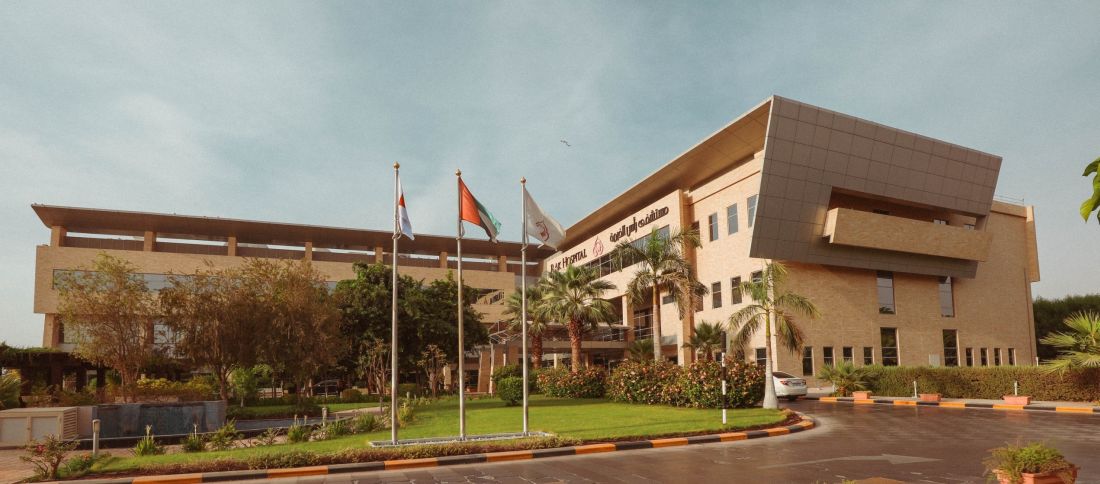

RAK Hospital introduces a pioneering Y-DNA ancestry test in the UAE, helping men trace paternal lineage and ancestral migration paths.
RAS AL KHAIMAH: RAK Hospital has announced the launch of the UAE’s first Y-DNA ancestry test, designed to trace paternal lineage using Next Generation Sequencing (NGS). This cutting-edge test is the latest addition to the hospital’s expanding ancestry portfolio, aimed at offering individuals deeper insight into their roots with scientific accuracy and convenience.
Offered as a complementary feature to RAK Hospital’s existing ancestry testing, this exclusive service leverages proprietary algorithms developed in the hospital’s NGS Lab in Ras Al Khaimah. The Y-DNA test uses a simple saliva sample to analyse the Y chromosome, which is passed only from father to son, revealing detailed migration patterns and paternal origins. Each report also includes a dynamic, real-time interactive map showcasing the ancestral migration journey across regions and centuries.
The report highlights that approximately 34% of UAE males tested at RAK Hospital belong to Haplogroup J1-P58, a signature genetic group predominantly found in the Arabian Peninsula. Other common haplogroups identified include J2, E1, and R1, linking Emiratis to populations in Tunisia, Algeria, Egypt, Syria, Iraq, Iran, and India. This showcases the UAE’s role as a historic crossroads for trade, migration, and culture.
Dr. Hafiz Ahmad, Head of the Molecular Division at RAK Hospital, described the experience as “a journey into your past,” stating that the technology allows people to connect with their history like never before. He emphasised how the test not only unearths roots but also provides insights into familial relationships and shared paternal ancestry over generations.
Priced at AED 1,499, the test includes free home sample collection, digital results within 4–6 weeks, and complimentary consultation every Friday. With 24×7 availability across the UAE, RAK Hospital’s Y-DNA ancestry test empowers individuals to explore their heritage through science—one generation at a time.