
NPCI International fast-tracks UPI in UAE through partnerships with NeoPay, Network International and more—aiming to support Dubai’s cashless economy goals and benefit millions of Indian travellers.
Dubai: NPCI International Payments Limited (NIPL), the international arm of the National Payments Corporation of India, is significantly expanding the presence of UPI in UAE, in line with the UAE’s push toward a cashless economy. This strategic integration is set to transform cross-border payments for over seven million Indian travellers visiting the Emirates annually.
UPI (Unified Payments Interface), India’s real-time, account-to-account payment system, currently processes over 18 billion transactions monthly. Its open and secure architecture allows seamless adaptation to global markets, and its expansion in the UAE marks a critical milestone in India’s digital export footprint.
Over the past two years, NIPL has built strong collaborations with key UAE players including NeoPay (Mashreq), Network International, and Magnati. These partnerships have enabled UPI acceptance at high-profile outlets like Lulu Hypermarket and Dubai Duty Free. Now, Indian consumers can pay using familiar mobile apps directly linked to Indian bank accounts—eliminating the need for forex or credit cards.
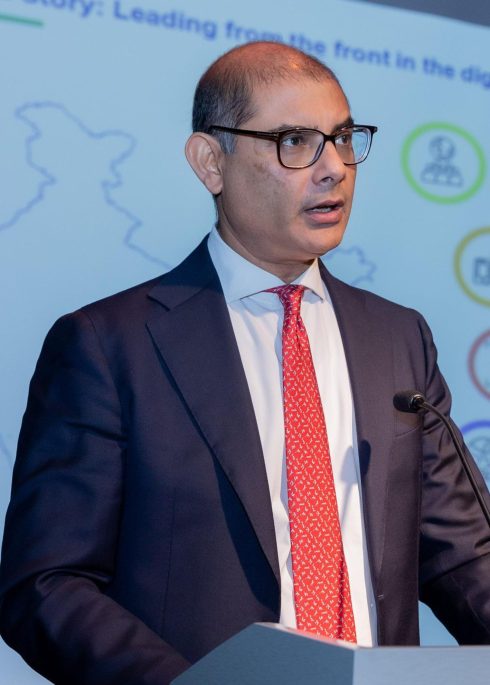
I think it’s fairly obvious that we’ve been following the trends. If you look at historical data, the UAE has consistently been one of our most preferred travel markets from the very beginning. Whether it was driven by cricket, tourism numbers, or shopping, Dubai has always attracted a large number of Indian travellers. Today, with more people in India acquiring wealth, there’s a growing aspiration towards discretionary spending—and international travel is a key part of that. Thanks to strong air connectivity from various Indian cities to Dubai, this market is well-positioned. I believe it’s the right time and place to focus our efforts and begin building strategically.
Today, if you’re in India and have a UAE mobile number, you can download apps like Google Pay or PhonePe and link them to your UAE bank account directly from India.
At present, Indian users are participating directly on UPI platforms. However, once this upcoming partnership is fully rolled out, users from India will be routed through a new system—essentially a digital ‘highway’ connecting India’s UPI and the UAE’s domestic infrastructure. Indian consumers won’t be transacting directly on UAE platforms, but rather via a seamless bridge that links both ecosystems securely.
Awareness in the UAE is growing. We’re now actively working on further building this awareness and encouraging adoption. Transaction volumes are increasing steadily. While I can’t share specific numbers due to internal data policies, we’ve seen promising traction. Over the next 3–4 months, you’ll also notice significant branding efforts—from both our side and our partners—to establish a stronger presence and drive momentum in the market.
Ritesh Shukla, MD & CEO of NPCI International
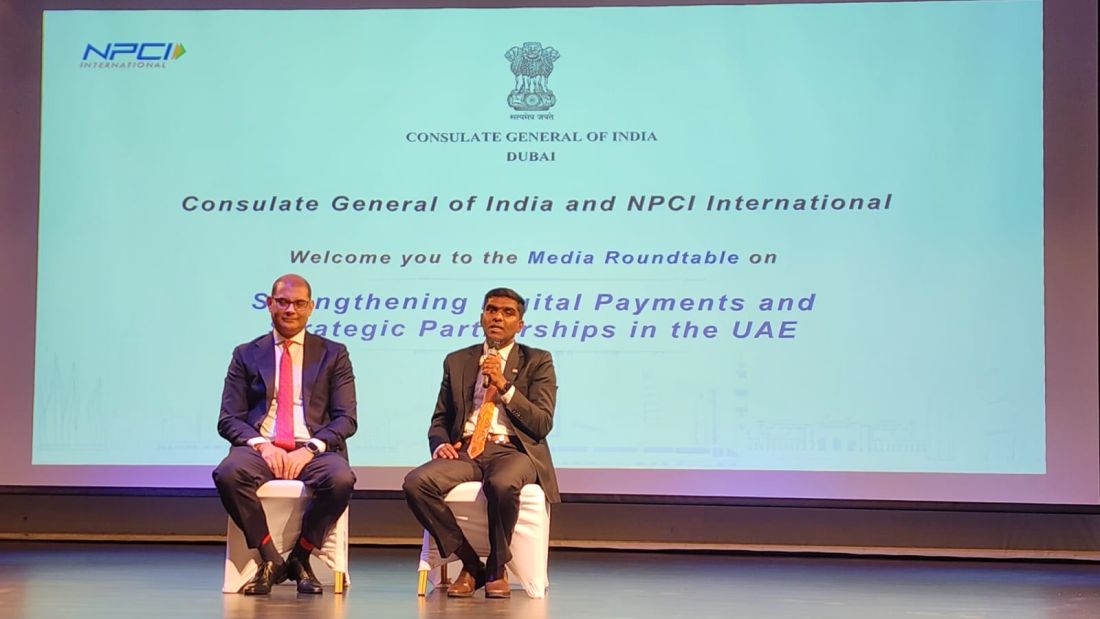
According to His Excellency Satish Kumar Sivan, Consul General of India in Dubai, “The integration of UPI with UAE’s digital infrastructure is a turning point in our economic partnership. It will dramatically improve the experience of Indian travellers and residents in the UAE.”
With UAE authorities aiming for 90% digital transactions by 2026, NIPL is closely working with regulators to expand UPI into high-frequency sectors such as retail, hospitality, transport, and healthcare. The system ensures security through RBI-compliant safeguards including two-factor authentication, transaction limits, and transparent FX rates.
Ritesh Shukla, MD & CEO of NPCI International, commented, “Our vision is to make UPI in UAE a benchmark for cross-border payments. We are empowering merchants and consumers alike with faster, safer, and more efficient financial experiences.”
As digital infrastructure deepens across the Gulf, UPI’s expansion underscores India’s role as a fintech leader and reflects the growing trust in digital interoperability between the two nations.