
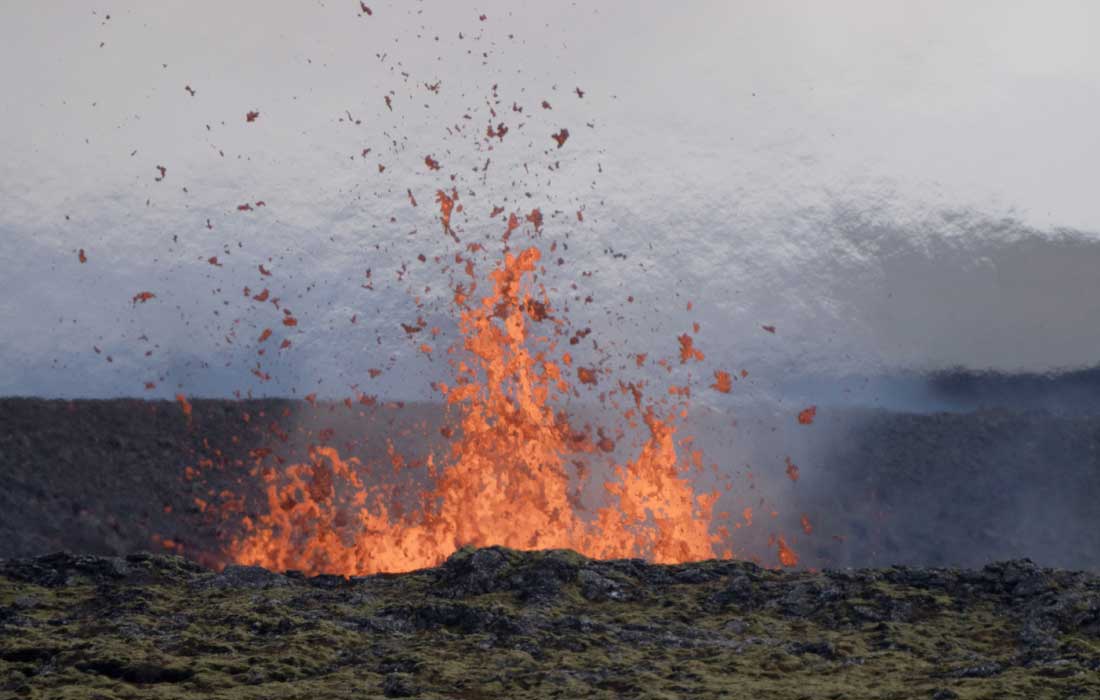

REYKJAVIK: A volcano in south-west Iceland erupted once more on Wednesday, continuing a striking pattern of activity on the Reykjanes peninsula with its twelfth eruption since 2021, according to the Icelandic Meteorological Office.
The eruption is part of a geological reawakening that has transformed the previously dormant peninsula into a hotspot of volcanic activity. Iceland, famously known as the land of ice and fire, is home to numerous glaciers and volcanoes, and recent years have seen a dramatic uptick in activity.
Unlike traditional volcanoes with central craters, these are known as fissure eruptions. Lava spills out from long cracks in the earth’s crust, creating spectacular yet relatively low-risk displays of molten rock and smoke.
So far, none of the Reykjanes eruptions have threatened the capital, Reykjavik, or severely affected air traffic. The latest outbreak also avoided significant ash dispersal into the stratosphere, allowing flights to continue without disruption.
Authorities continue to monitor the situation closely, though there is no immediate danger to residents or infrastructure. Iceland’s unique landscape remains a draw for geologists and tourists alike, with its combination of natural beauty and powerful volcanic forces.