
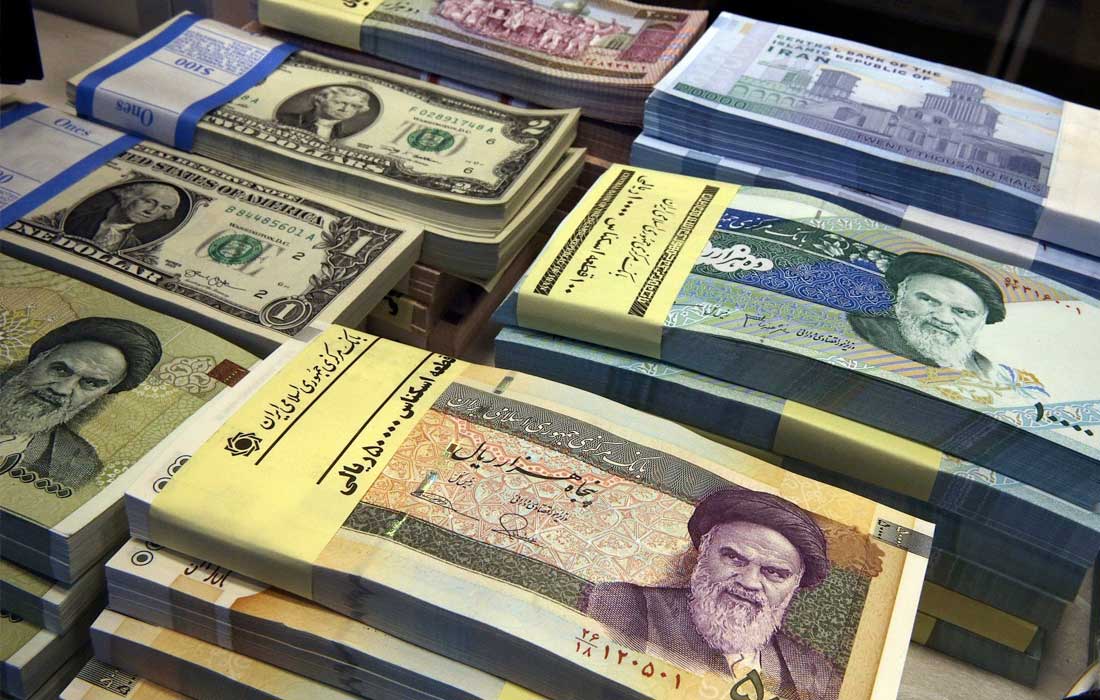

TEHRAN: Iran’s parliamentary economic commission has approved a long-pending proposal to remove four zeros from the national currency, the rial, in an attempt to simplify financial transactions and stabilise its weakened economy. The decision, announced on Sunday, marks a renewed push to redenominate the currency after years of hyperinflation and devaluation.
According to Shamseddin Hosseini, chairman of the economic commission, the proposed plan retains ‘rial’ as the official currency name. Under the new system, one rial would be worth 10,000 of the current rials and be further divided into 100 gherans. The move is aimed at easing financial operations and restoring public confidence in the monetary system.
This currency reform was first introduced in 2019 but was later shelved. For the proposal to become law, it must still pass a full parliamentary vote and secure approval from the Guardian Council, the constitutional watchdog responsible for reviewing legislation.
As of Sunday, the rial was trading at around 920,000 to the US dollar on the unofficial market, highlighting the currency’s sharp decline. In everyday life, most Iranians use the toman, a de facto unit where one toman equals 10 rials, reflecting the widespread disregard for the nominal value of the rial.
The Iranian economy continues to suffer from deep-rooted challenges, primarily driven by US sanctions re-imposed after Washington exited the 2015 nuclear agreement. The new currency move is viewed as a psychological and administrative measure to simplify accounting and possibly ease inflationary perceptions.