
Nepal PM Sharma Oli resigns after Gen-Z protests over corruption and censorship leave 19 dead and hundreds injured.
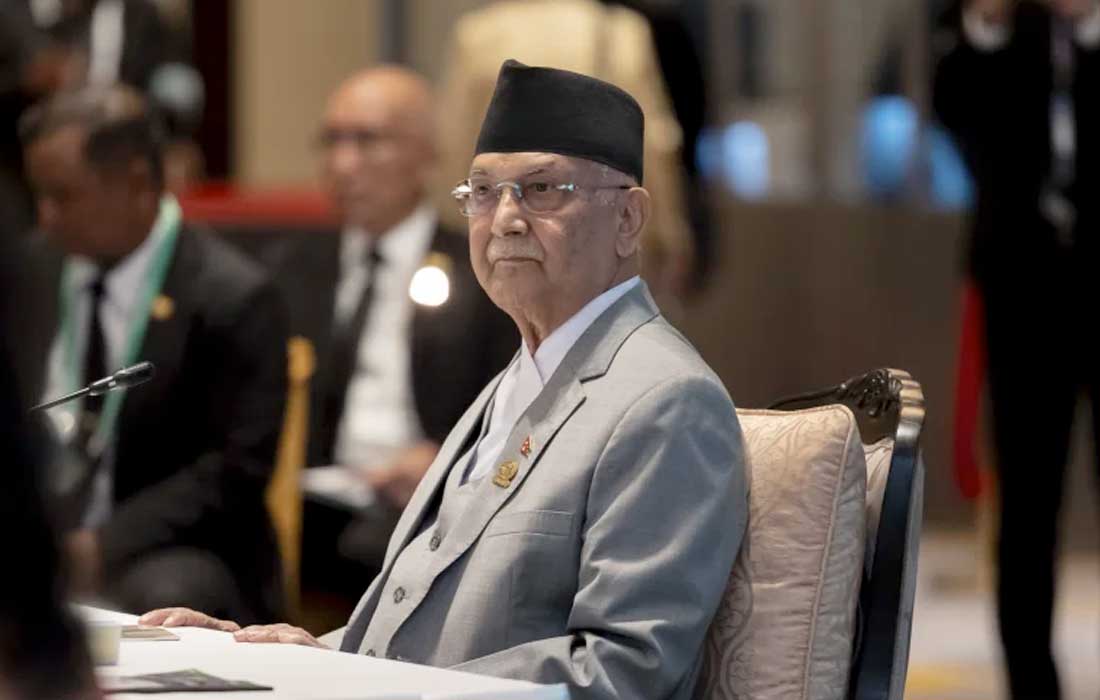
KATHMANDU: Nepal Prime Minister KP Sharma Oli has resigned after days of fierce Gen-Z protests against corruption, censorship, and poor governance. The resignation came on Tuesday, confirmed by his aide Prakash Silwal, after violent clashes left at least 19 people dead and over 300 injured.
The unrest erupted when the government imposed a social media ban on platforms such as Facebook and X, sparking anger among young citizens. Protesters, many from Gen Z, defied curfews, chanting “KP Chor, Desh Chhod” (KP thief, leave the country) and demanding strict action against corrupt leaders.
Demonstrators stormed Oli’s office, torched his residence in Bhaktapur, and attacked homes of several leaders, including ministers and former prime ministers. Kathmandu authorities suspended flights at Tribhuvan International Airport, shut schools and shops, and enforced an indefinite curfew to curb further unrest.
In his resignation letter to President Paudel, Oli cited “extraordinary circumstances” and said he was stepping down to allow a constitutional and political solution. His planned all-party meeting became irrelevant after his sudden departure.
The protests, fuelled by frustration over corruption, extravagant lifestyles of ministers’ families, and lack of accountability, have highlighted the growing political power of Nepal’s youth. Their demands include the creation of a national government, stronger anti-corruption laws, freedom of expression, and a retirement age for politicians.
Two ministers from the Nepali Congress, Ramnath Adhikari and Pradip Poudel, quit earlier, criticising the government’s violent response. With Oli gone, Nepal now faces a political vacuum, and the question remains whether Gen-Z protests will reshape the country’s governance.