
President Trump announced a 100% tariff on foreign-made films, a move aimed at protecting Hollywood but raising global trade concerns.
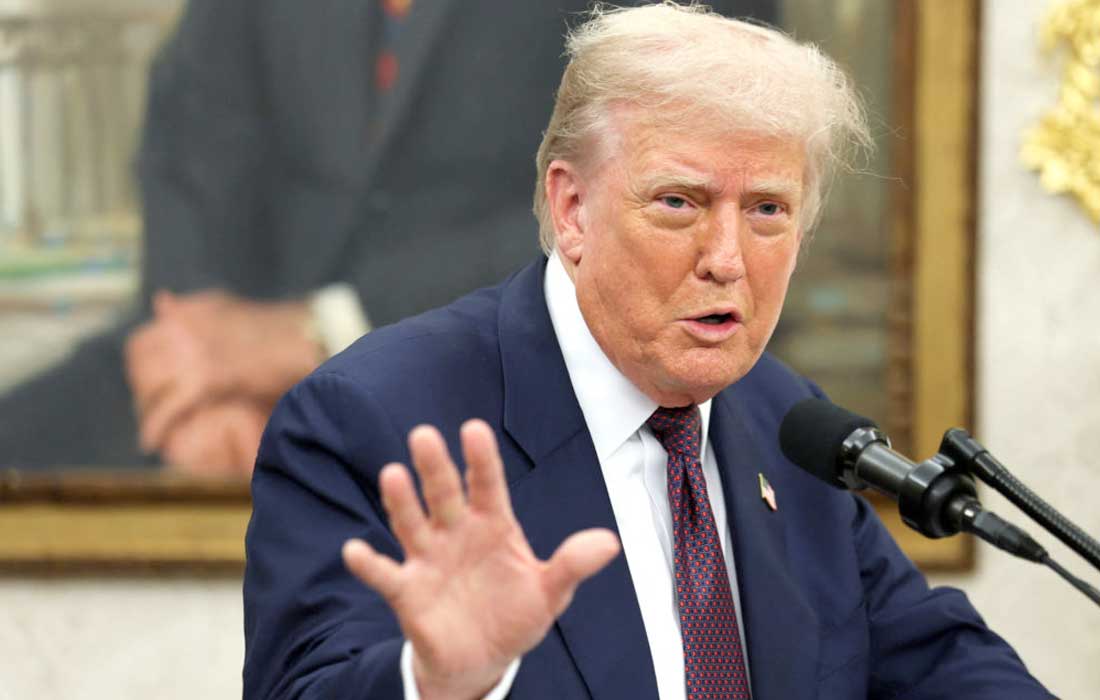
WASHINGTON, D.C.: In a major policy shift targeting the entertainment industry, President Donald Trump has announced a 100% tariff on all films produced outside the United States, intensifying his protectionist trade stance and shaking the global business model of Hollywood.
“Our movie making business has been stolen from the United States of America, by other Countries, just like stealing candy from a baby,” Trump said in a post on Truth Social on Monday. The tariff is expected to affect films produced abroad but distributed in the U.S., though implementation details remain unclear.
The move, first hinted at in May, has sparked confusion across the entertainment industry. Studio heads and trade analysts are uncertain how such a blanket tariff would work, especially in an era where films often rely on international production, post-production, and financing.
The Motion Picture Association noted that the U.S. film industry recorded a $15.3 billion trade surplus in 2023, supported by over $22.6 billion in international exports. Hollywood has long leveraged production hubs in Canada, Australia, the UK, and increasingly Asia and Europe, due to local tax incentives and co-financing opportunities.
Executives warn that the tariff could disrupt these collaborative ecosystems and harm U.S. workers employed on overseas shoots, including VFX artists, editors, and crew members. A coalition of U.S. film unions had previously urged the White House to instead offer domestic production incentives, rather than penalties on foreign-made content.
With no immediate clarification from the White House on legal frameworks or enforcement, entertainment leaders are bracing for potential diplomatic backlash and trade retaliation. Industry observers say the announcement injects major uncertainty into future film planning and could drive up production costs for U.S. studios reliant on global partnerships.