
UAE-based NAMA Women Advancement launches two-year Spark to Success programme in Malawi, empowering 200 women through skills training, funding, and mentorship.
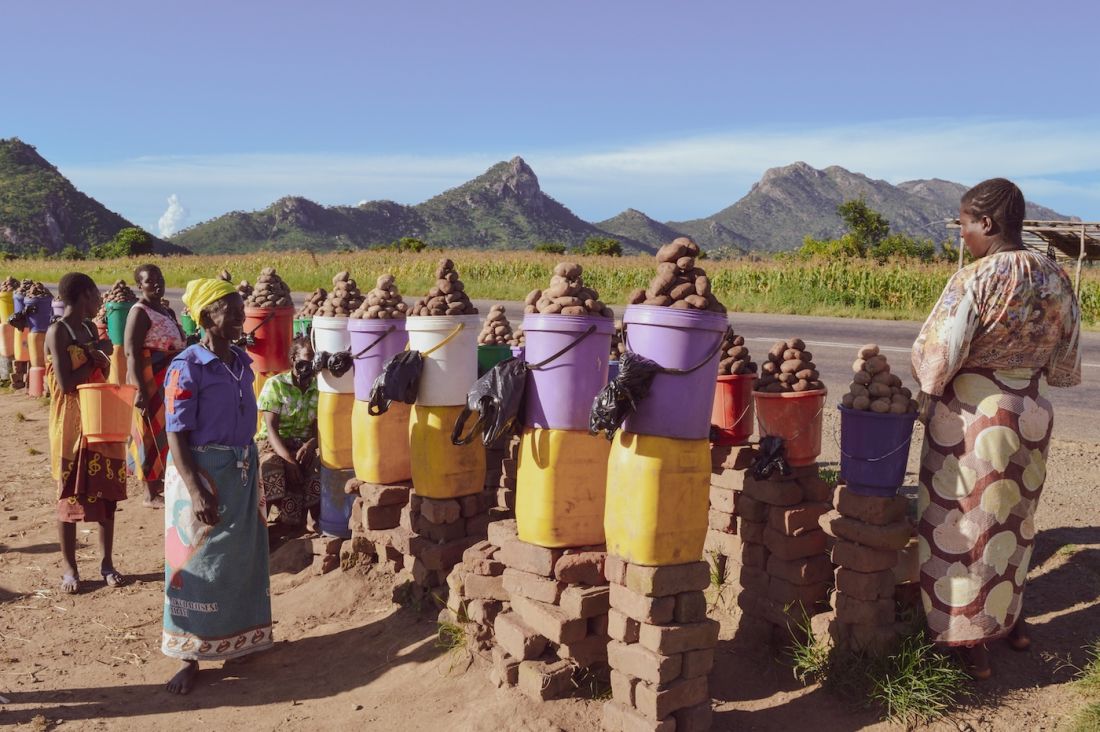
SHARJAH: UAE-based NAMA Women Advancement has officially launched a global initiative titled Spark to Success in Zomba, Malawi, in partnership with The Sparkle Foundation. The two-year programme (2025–2027) will empower 200 women by providing access to skills development, entrepreneurship support, and seed capital, directly addressing systemic barriers that limit women’s participation in Malawi’s workforce.
The Spark to Success initiative is designed to create lasting economic independence by training women in sectors such as tailoring, ICT, sustainable agriculture, weaving, and solar energy. Participants will receive mentorship, financial literacy education, and startup capital to help launch or expand small businesses, aiming to break generational cycles of poverty.
Each year, 100 women will enrol in the programme, with an estimated 1,200 people benefitting indirectly, including families and community members. NAMA’s goal is to launch at least 100 new enterprises by the programme’s end in 2027, strengthening local economies through job creation and self-sustaining ventures.
The initiative features a comprehensive career support component, including budgeting, savings, CV development, and job readiness training. By aligning with local training centres and community leaders, the programme encourages grassroots engagement and ownership, ensuring lasting impact beyond its duration.
H.E. Mariam Al Hammadi, Director General of NAMA, said: “This initiative reflects one of NAMA’s core pillars: that investing in community capacities and advancing the role of women is an investment in the future.” She emphasised that the programme aims to empower women not only economically but also through access to education and decision-making opportunities.
Sarah Brook, CEO of The Sparkle Foundation, added: “We believe that women’s empowerment in rural Africa is not a handout, but a hand up… because they’re not just talking about change, they’re investing in it.”
The programme supports the UN Sustainable Development Goals, particularly those focused on gender equality, poverty reduction, and decent work. It showcases how strategic investment in women leads to broad-based, sustainable development, making it a model for replication in other underserved regions.