
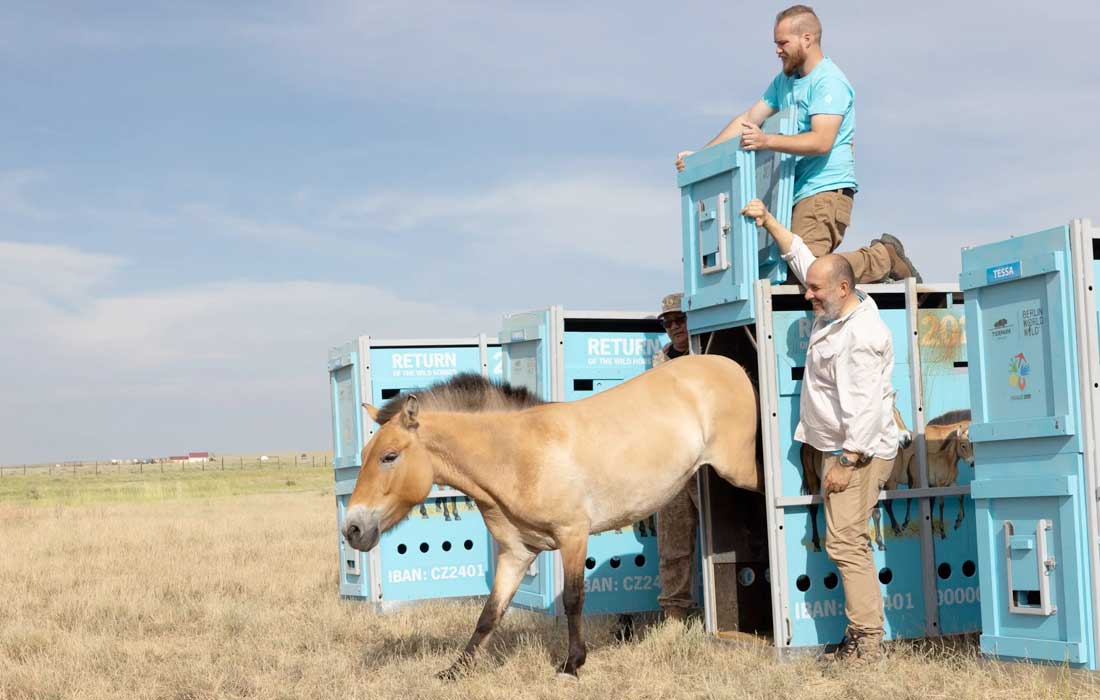

Przewalski’s horses, known as Kertagy, are the world’s last wild breed of horses
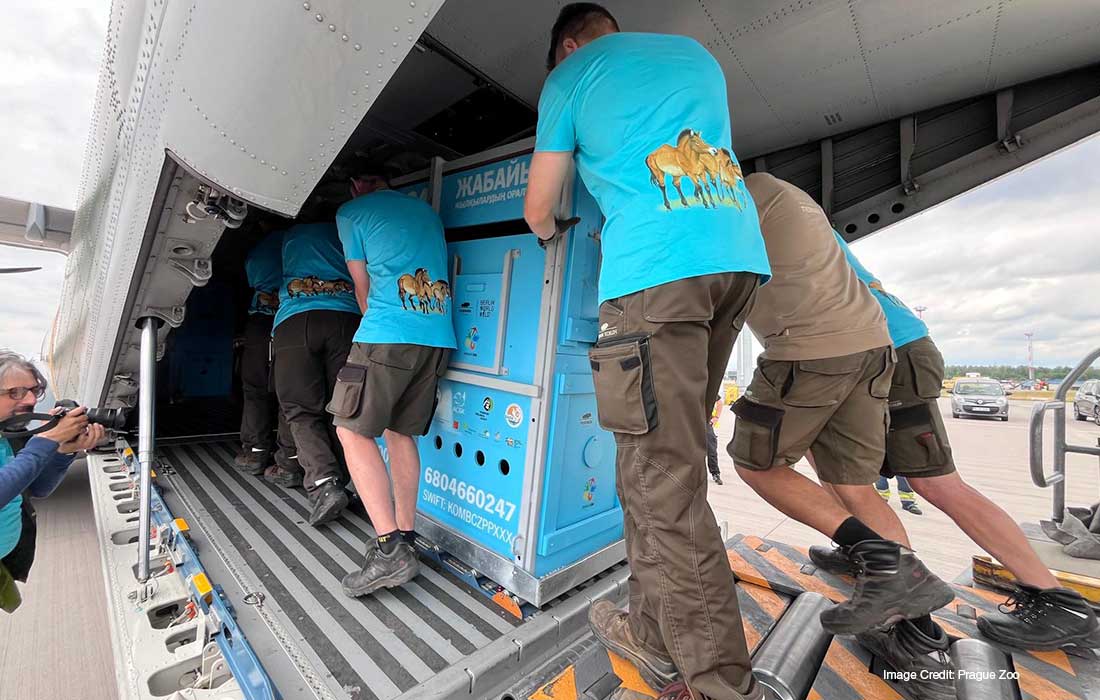
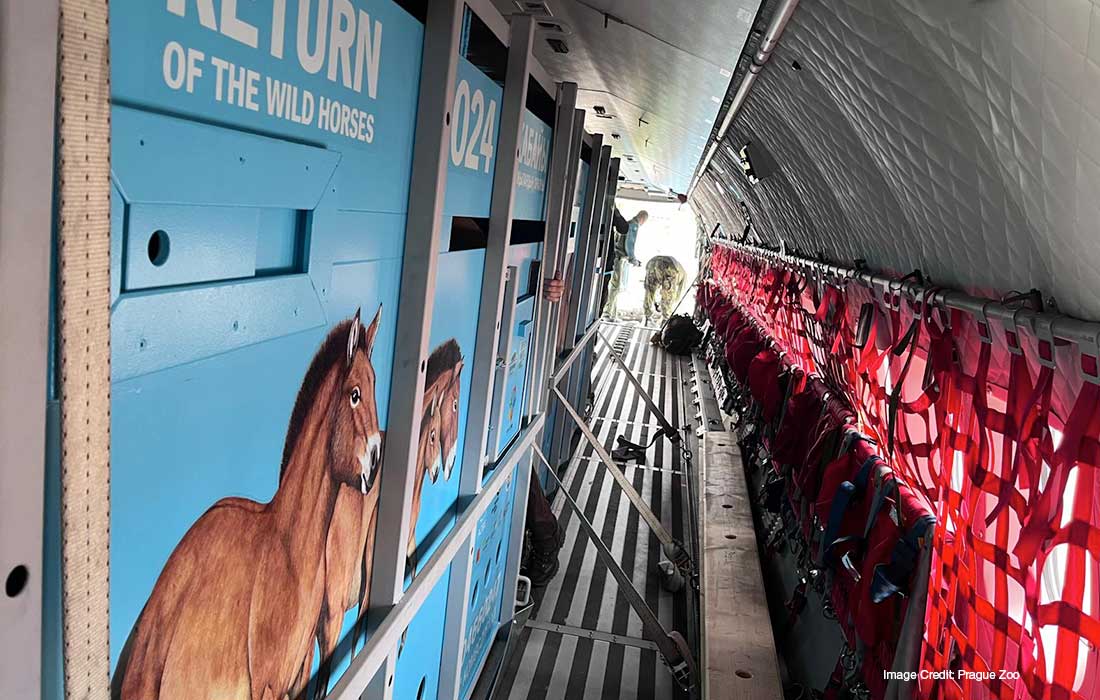
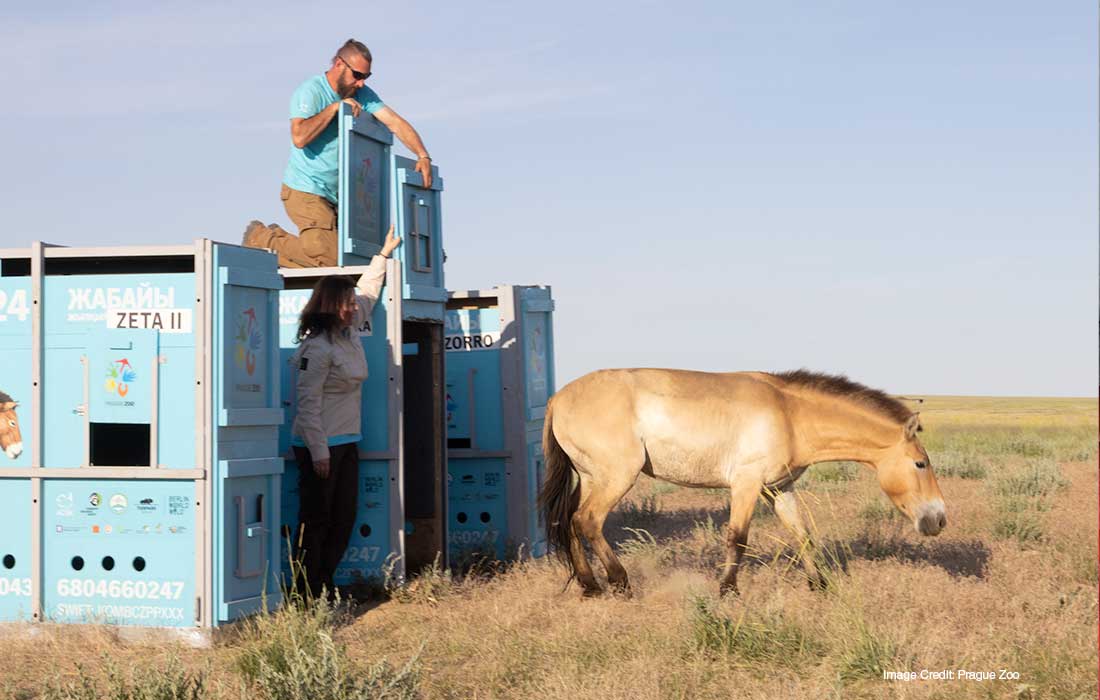
Seven special horses—Ypsilonk, Zeta II, Zorro, Tessa, Sary, Wespe, and Umbra—have made a big comeback to Kazakhstan after being gone for a long while… almost 200 years! They were flown in from Prague Zoo in the Czech Republic and Berlin Zoo in Germany in two groups. The first batch of Przewalski horses landed in Arkalyk on June 4th, followed by the second group on June 6th.
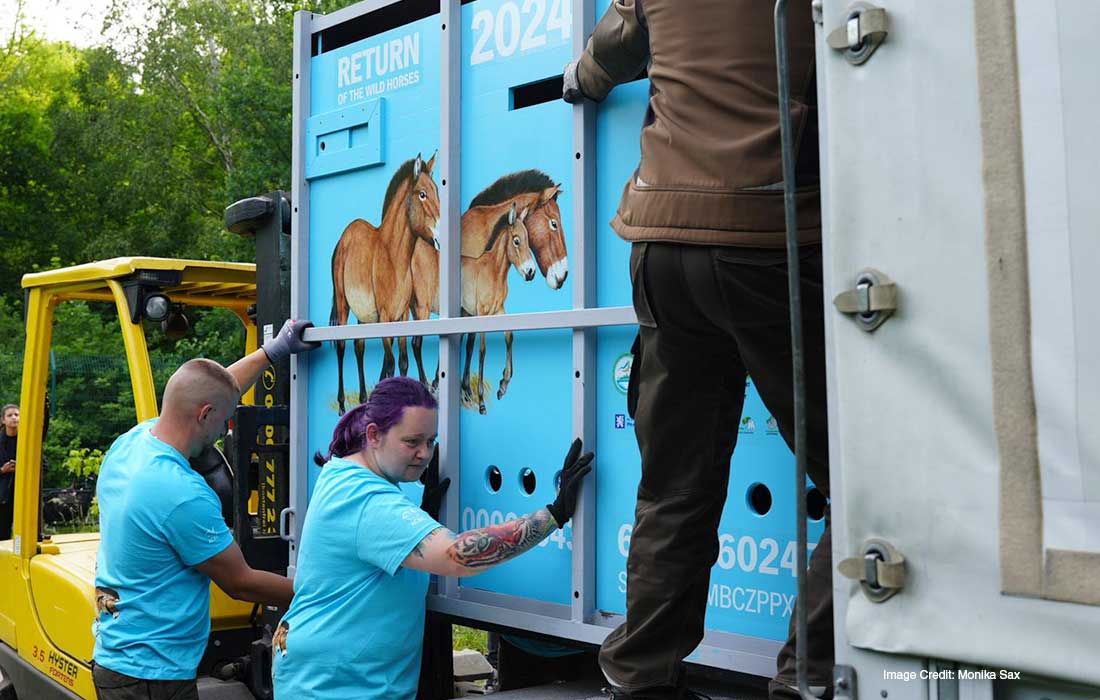
These horses, known as Przewalski’s horses or Kertagy, used to roam freely in Kazakhstan’s vast grasslands but disappeared about 200 years ago due to human activities. Now, scientists and zoos are teaming up to reintroduce them and help them thrive once again.
For all of you wondering about it,
Przewalski is pronounced as “shuh-VAHL-skee”
Their return is part of a bigger plan to support local wildlife, such as small animals and ground-nesting birds, by grazing and maintaining the grasslands. These horses play a crucial role in keeping the ecosystem healthy.
After arriving in Arkalyk, the horses were taken to a special place called the Alibi reintroduction center. Here, they got used to their new surroundings while veterinarians kept a close eye on them to ensure they’re settling in well after their journey. This effort involves collaboration with the Kazakh government and conservation groups dedicated to protecting nature.
Since 2006, the Frankfurt Zoological Society and the Association for the Conservation of Biodiversity in Kazakhstan (ACBK) have teamed up for the Altyn Dala Conservation Initiative. Their goal is to protect and improve Kazakhstan’s grasslands. They’re working to restore complete ecosystems across an area of about 750,000 square kilometers, which is over twice the size of Germany. Their efforts span steppe, semi-desert, and desert regions.
Vera Voronova, CEO of the Association for the Conservation of Biodiversity of Kazakhstan overseeing the project, mentioned they faced challenges like floods but managed to prepare a safe place for the horses at Alibi. “The team at ACBK have been working hard since last year to ensure that our Reintroduction Centre, Alibi, is ready for the horses’ arrival. We have overcome many challenges, including a recent flood, and I am happy to say that Alibi is a fantastic location for these horses for their acclimatization period in Kazakhstan.” she explained.
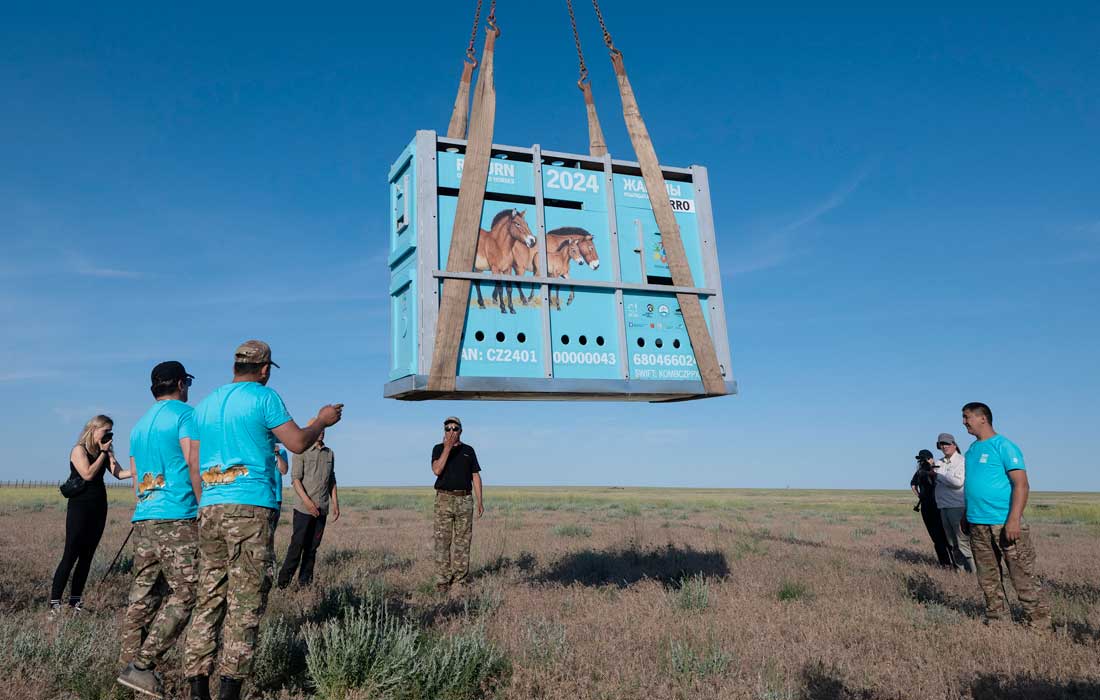
The Prague Zoo manages the international breeding book of Przewalski’s horse. It has past experience in reintroducing a species to Mongolia through nine aerial transports from 2011 to 2019. In 2022, the Committee for Forestry and Wildlife of Kazakhstan reached out to them to help reintroduce the last wild horses to Kazakhstan.
Prague Zoo director Miroslav Bobek, stated, “This is the beginning of a whole new chapter in the story of the last wild horse on the planet. Regarding the relatively short time for preparation of the project and the unexpected floods in Central Kazakhstan, it is almost a miracle that we are now watching these Przewalski’s running on the Kazakh soil. All the hard work paid off and whilst there is a lot more to be done, the pioneering horses, the founders of the local population are here and that is what matters now.”
Also read: Instagram labels KKR’s IPL winning post as ‘Made with AI’
Stephanie Ward from Frankfurt Zoological Society, an organization that coordinates projects to protect endangered species and ecosystems, highlighted that reintroducing these horses is a significant step toward restoring Kazakhstan’s grasslands to their natural state.
For Tierpark Berlin and other partners, this marks a major achievement in conservation, aiming to enhance the resilience of Kazakhstan’s environment against desertification and wildfires.
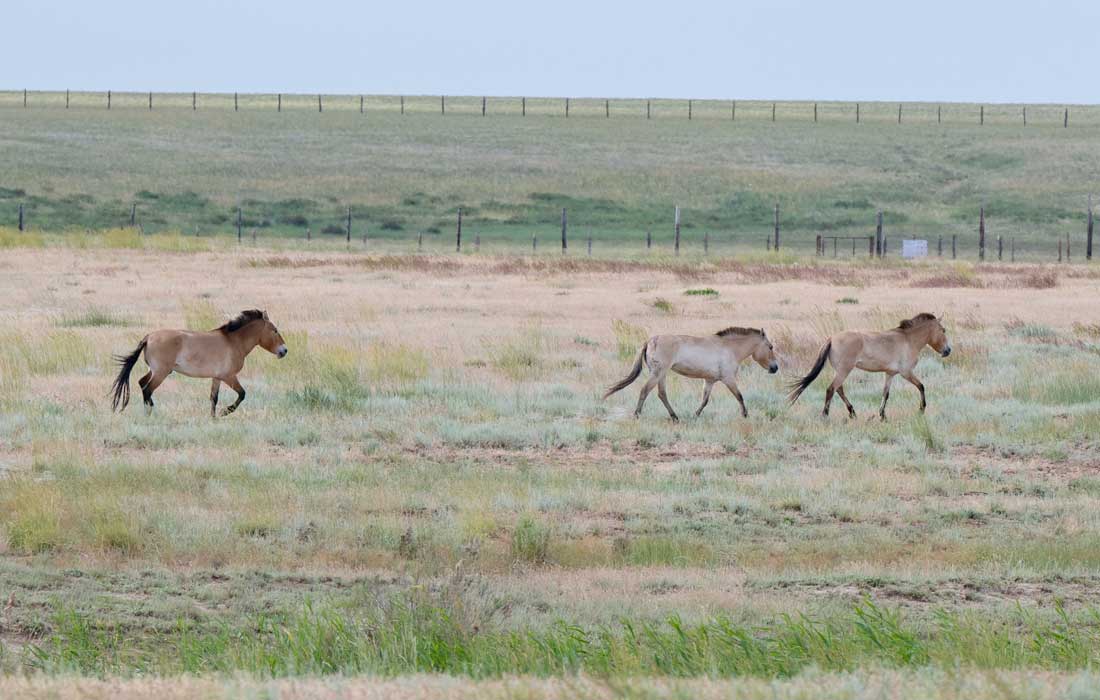
As the Przewalski horses acclimate and explore their new home, scientists are optimistic about their future in Kazakhstan’s landscapes. This project demonstrates the power of collaboration in bringing back important species and preserving nature for future generations to enjoy.