
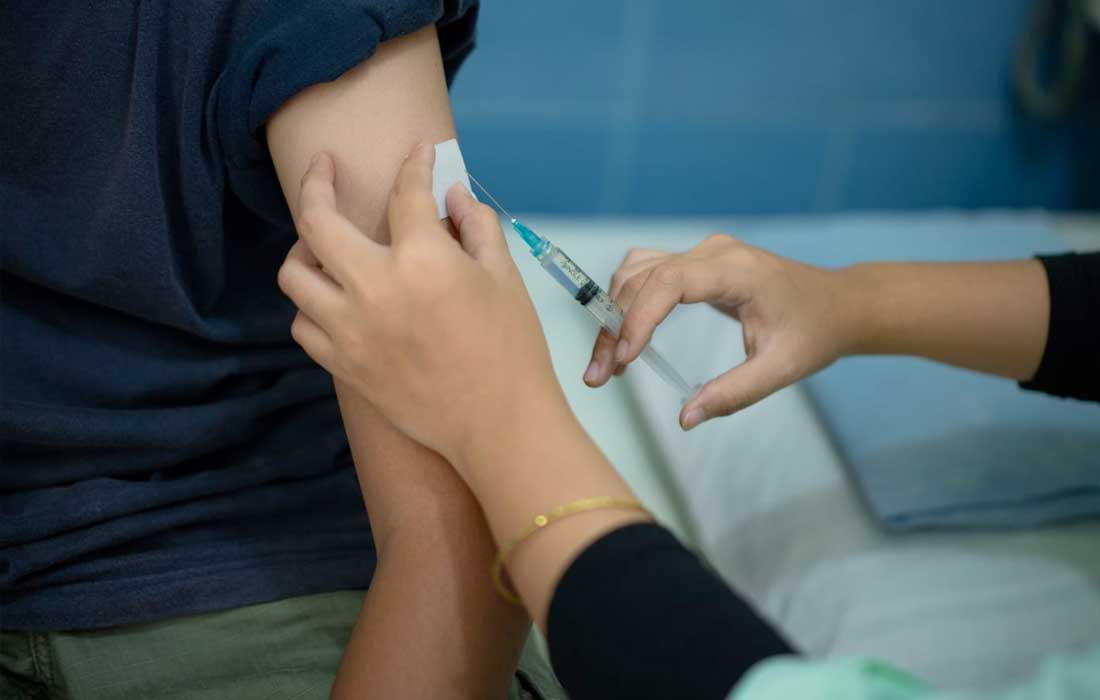

GENEVA: A major new global study has found that emergency vaccination campaigns have significantly cut deaths from infectious diseases, reducing mortality by nearly 60% since the year 2000. The study, which analysed 210 outbreak incidents in 49 countries, focused on five of the most serious diseases: Ebola, measles, cholera, yellow fever, and meningitis.
Researchers concluded that timely vaccine roll-outs not only saved lives but also prevented millions of infections. The study attributes this success to rapid-response vaccination programmes deployed in outbreak-prone regions, which helped to halt the spread of deadly pathogens and limit the impact on vulnerable populations.
The economic implications were also striking. These interventions are estimated to have delivered a financial benefit of $32 billion over 23 years, largely by preventing premature deaths and reducing years lost to disability. However, the actual savings could be even higher, as the analysis did not include costs associated with wider outbreaks or broader economic disruptions.
The study, backed by global health alliance Gavi, highlights how vaccines remain a cornerstone of outbreak prevention. Dr Sania Nishtar, CEO of Gavi, stressed the critical role of vaccines, stating, “This study demonstrates clearly the power of vaccines as a cost-effective counter-measure to the increasing risk the world faces from outbreaks.”
She also underlined the need for sustained funding to maintain vaccine infrastructure and respond effectively to future threats. Gavi is currently in the process of securing new funding to continue its work over the next five years amid global budget pressures.
One stark example of the cost of inaction is the 2014 Ebola outbreak, which struck before the deployment of a vaccine and cost West African nations over $53 billion. In contrast, the new study offers compelling evidence that swift vaccine action can dramatically reduce the human and financial toll of infectious disease outbreaks.