
A UAE-based dietician shares tips for mindful eating during Diwali, helping you enjoy sweets and snacks without guilt or health setbacks.
As a nutritionist, one of the most common concerns I hear during the festive season is: “How do I enjoy Diwali food without feeling guilty or harming my health?” It’s a fair question. Diwali brings with it joy, togetherness and an abundance of food especially sweets and snacks that are hard to resist. But with that joy often comes a pattern of eating that leaves many people feeling bloated, sluggish or even unwell.
One of the most common mistakes I see is people skipping regular meals during the day, hoping to “save calories” for the evening feast. In reality, this approach tends to backfire. When we miss balanced meals, especially those containing fiber and protein, we are more likely to arrive at the festive table ravenous and that’s when mindless overeating tends to happen. Fried foods and sugar-laden sweets dominate most Diwali menus, and while they’re a part of tradition, they can be quite taxing on digestion when consumed in excess. It’s also during this time that hydration and vegetable intake drop significantly, which contributes to common complaints like bloating, acidity and fatigue.
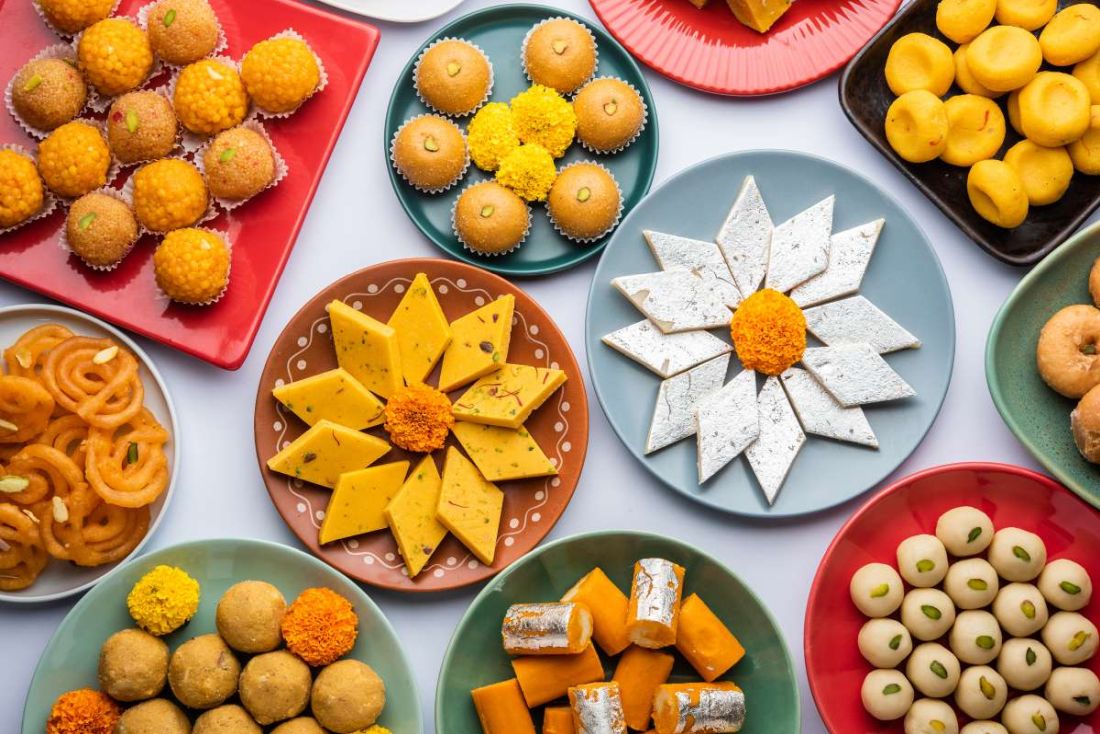
That said, celebrating Diwali doesn’t have to mean choosing between enjoyment and health. The key lies in balance and awareness. Having your favorite laddoo or namak para isn’t the problem what matters is how much of it you eat, how often, and what you’re pairing it with. Including lighter meals made from vegetables, dal, or yogurt during the day can help support digestion and reduce the strain of heavier foods. Even something as simple as a short walk after meals can go a long way in keeping blood sugar levels steady and aiding digestion.
I always remind people that those with existing health conditions like diabetes, hypertension, or high cholesterol need to be particularly mindful. During the festive season, I often advise these individuals to be extra careful with portion sizes and try to opt for homemade versions of sweets and snacks whenever possible. Not only does this allow more control over ingredients, but it also helps reduce the intake of added sugars and saturated fats that are common in store-bought treats. For those with diabetes especially, checking blood glucose levels a little more frequently during this time can help prevent unwanted spikes.
There are also gentler ways to approach traditional recipes. Many sweets can be made with natural sweeteners like dates or jaggery instead of refined sugar. Adding oats, millets, or nuts not only makes them more satisfying but also helps slow sugar absorption. Something as simple as pairing a small sweet with a glass of milk or a spoonful of yogurt can soften its impact on blood sugar.
Similarly, fried snacks can be prepared differently without compromising on taste. Roasting, baking, or even air-frying are useful alternatives. I have seen many people enjoy their favorite samosas and chaklis made with chickpea flour or millets, cooked in healthier oils and served in sensible portions. The idea isn’t to eliminate what you love it’s to reimagine it in a way that doesn’t leave you feeling heavy or regretful afterward.
People often ask me whether it’s more important to focus on what you eat or how much you eat. My answer is always both but during Diwali, portion control tends to play a bigger role. Even the healthiest food can lead to discomfort if eaten in large quantities. The goal isn’t to avoid every treat but to enjoy them in moderation. A little of many things often works better than a lot of one.
As with any celebration, Diwali is meant to be a time of happiness, not restriction. With a little planning and mindfulness, it is possible to enjoy everything the season has to offer flavor, connection, tradition while still honoring your health. You don’t need to choose one over the other.

This health piece is contributed by Rahaf Mohammed Altowairqi, a Clinical Dietician, Medcare Royal Speciality Hospital Al Qusais
Disclaimer: All views and opinions expressed in The Brew Opinion – our opinion section – are those of the authors and do not necessarily reflect the official policy or position of TheBrewNews, the company, or any of its members.