
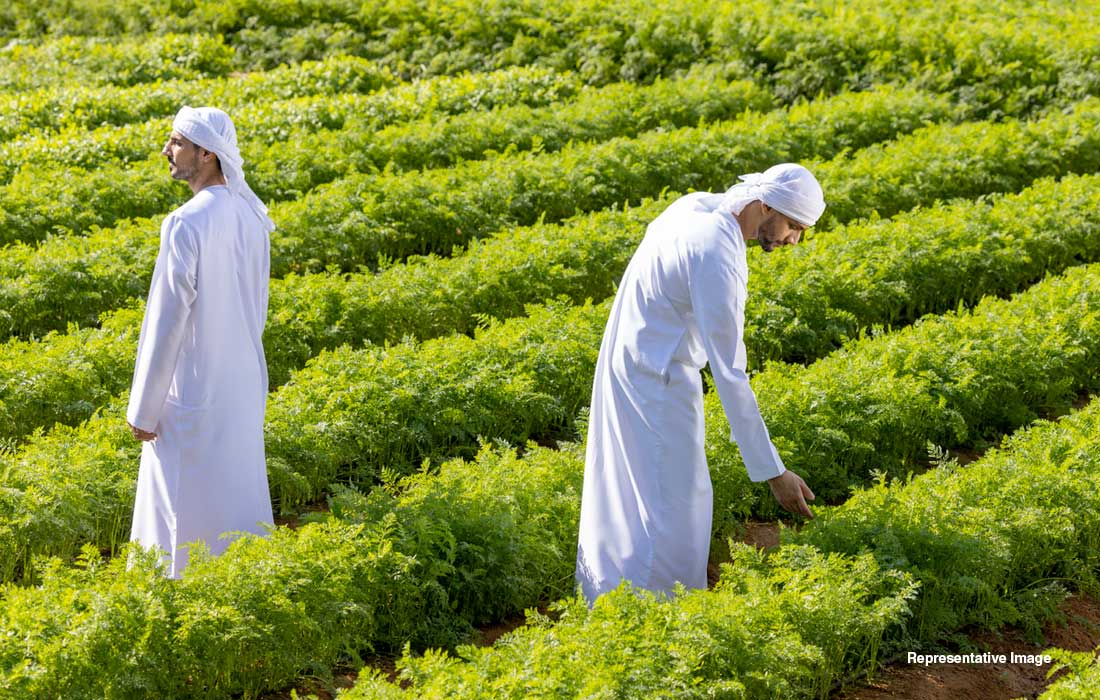

Alpen Capital forecasts GCC food consumption to reach 55.5 million MT by 2029, driven by health trends, innovation, and resilient supply chains.
DUBAI: The GCC food sector is set for steady growth as evolving consumer preferences reshape the industry, according to Alpen Capital’s latest GCC Food Industry report. The firm projects food consumption to grow by 4.6 million MT over the next five years, reaching 55.5 million MT by 2029, at a CAGR of 1.7%.
The report highlights demographic expansion, rising spending power, and booming tourism as major growth drivers, while healthier lifestyles, digital adoption, and food security initiatives are set to define the future landscape. Saudi Arabia and the UAE will remain the largest food consumers, accounting for nearly 74% of regional demand by 2029, with Oman recording the fastest growth at 3.8% CAGR.
Sameena Ahmad, Managing Director of Alpen Capital, said: “Food consumption in the GCC is projected to grow on the back of demographics, income, and tourism. Producers are diversifying through digital innovations while governments invest in vertical farming, hydroponics, and smart agriculture to strengthen food security.”
The study also pointed to category-level growth, with cereals expected to expand the fastest at 1.9% CAGR, followed by fish, eggs, pulses, honey, oils and fats at 1.8%. Other major categories such as vegetables, dairy, fruits, and meat are also projected to rise in line with evolving diets and consumer awareness.
Sharmin Karanjia, Executive Director of Alpen Capital, added: “The GCC food industry is experiencing a strong trend towards convenience, health apps, online delivery, and cloud kitchens. Demand for fresh, organic, and clean-label foods is driving both investment and innovation.”
Industry experts noted that the push for healthier choices is driven by rising rates of lifestyle-related conditions such as obesity and diabetes, leading to more demand for plant-based, protein-rich, and low-sugar options. At the same time, governments are tackling challenges such as heavy import dependence, limited arable land, and food waste by backing agritech, sustainable practices, and international agricultural partnerships.
Despite risks such as global supply chain disruptions and price volatility, the GCC food market is poised for transformation. By combining health-focused innovation with digital platforms and sustainable production models, stakeholders aim to build a resilient food ecosystem that meets rising demand while ensuring long-term security.