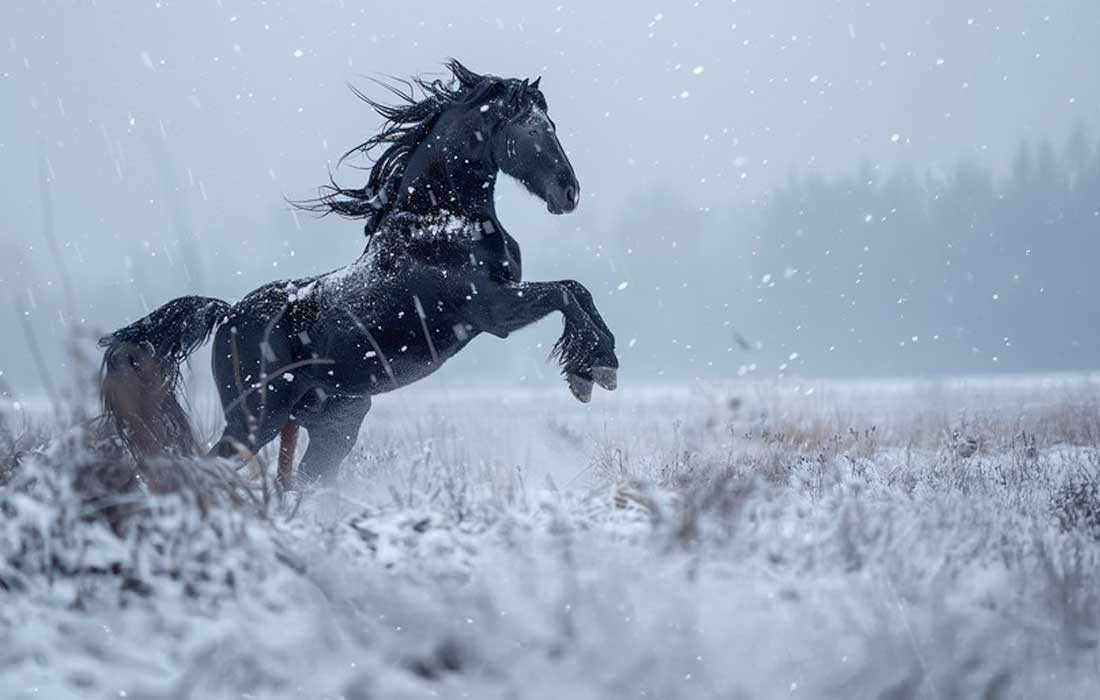

NEW YORK: The United Nations just kicked off the first-ever World Horse Day, shining a well-deserved spotlight on our long-standing friendship with one of the world’s most loyal animals. While it might seem like a simple celebration, the real goal is to get people thinking about how horses still play a vital role in our lives — from farming and conservation to therapy and tradition.
The new observance, held every July 11, was made official by the UN General Assembly through Resolution 79/291, adopted last month. It calls on governments, schools, businesses and communities to join in and show appreciation for horses — while also addressing the challenges they face today.
Even in this digital age, horses haven’t lost their place in the world. The UN pointed out that draft horses still power organic farms, mounted rangers patrol to protect wildlife, and therapy ponies bring cheer to hospital patients. In Mongolia, where horses outnumber people, these animals are deeply woven into daily life.
Stats show just how widespread and valuable horses are. The Food and Agriculture Organization (FAO) reported 60.8 million horses worldwide in 2023. The US alone has 2.41 million horses across 63,000 farms, while the EU’s equestrian scene supports a €100 billion industry and 800,000 jobs. That’s everything from breeding and racing to tourism and riding schools.
And let’s not forget the unsung heroes — working horses, donkeys and mules. A joint study by the FAO and World Organisation for Animal Health found 112 million of these animals are critical to the daily survival of 600 million people in low- and middle-income countries. They haul water, transport goods, and keep communities going.
But it’s not all hoofbeats and hayrides. Climate change is putting real pressure on horses, especially those working in extreme heat or competing at high levels. 2024 marked the first year global temperatures topped 1.5°C above pre-industrial levels. That’s a serious issue, and it’s prompting changes — from cooling stations at sporting events to new global welfare standards designed to keep horses healthy and happy.